AI Code Review
How to Scale Code Review with AI-Based PR Decision Making

Sonali Sood

Founding GTM, CodeAnt AI
It's 3 PM on a Thursday, and your senior engineers are buried in a review queue—approving typo fixes, documentation updates, and dependency bumps while a critical security patch waits its turn. The bottleneck isn't a lack of talent. It's treating every pull request like it carries the same risk.
AI-based PR routing solves this by automatically classifying changes and deciding which ones can safely self-approve and which ones require human eyes. This guide covers how teams implement risk scoring, what makes a PR safe for auto-approval, and how to set up routing policies that scale with your engineering organization.
Why Manual PR Review Creates Bottlenecks at Scale
Teams use AI to automatically flag simple changes—style fixes, formatting, documentation updates—for self-approval while routing complex logic and security-sensitive code to human reviewers. AI tools analyze code for bugs, security flaws, and style issues, then apply rules based on size, complexity, and changed files to decide if a PR can be auto-approved or requires expert review.
The core problem with traditional peer review? Every pull request waits in the same queue, regardless of risk. A one-line typo fix sits behind a major authentication refactor. Senior developers get pulled away from feature work to review trivial changes, and the backlog grows.
You'll notice common bottleneck symptoms as your team scales:
Review queue backlog: PRs sit idle waiting for available reviewers
Context-switching costs: Reviewers lose focus jumping between their own work and reviews
Uneven workload distribution: Senior engineers become the primary review bottleneck
Delayed deployments: Low-risk changes get blocked behind high-risk PRs
How AI Determines Which PRs Need Peer Review
AI tools classify pull requests by analyzing multiple signals and assigning a risk score. A high score triggers mandatory human review, while a low score indicates the PR may be safe for automatic merging. This process—often called risk scoring—happens automatically when a PR is opened.
Risk scoring based on code complexity and lines changed
AI evaluates cyclomatic complexity (a measure of how many independent paths exist through your code), the number of files touched, and the overall diff size. Larger, more complex changes that touch many parts of the codebase carry higher risk.
A 500-line change across 12 files gets flagged differently than a 10-line change in a single file. The logic here is straightforward: more code means more places for bugs to hide.
Security pattern detection and vulnerability flags
AI scans for security red flags: hardcoded secrets, potential SQL injection patterns, changes to authentication logic, and signatures of known vulnerabilities (CVEs). Any code change that appears security-sensitive automatically triggers peer review.
Test coverage and quality gate thresholds
AI checks whether modified code has adequate test coverage. Pull requests that drop overall coverage below a predefined threshold or introduce new logic without corresponding tests get flagged for human review.
Historical context and author track record
AI considers the contributor's history within the codebase. PRs from new team members or developers with recent reverted commits may require more oversight. Meanwhile, changes from established contributors with clean track records are often considered lower risk.
What Makes a Pull Request Safe for Self-Approval
Self-approval means merging a pull request without formal peer review after AI determines the change is low-risk. Not every PR qualifies, only specific categories of changes.
Documentation and readme updates
Changes limited to markdown files, inline code comments, and other documentation carry minimal risk of breaking the application. Documentation updates can almost always skip peer review, which keeps docs fresh without creating bottlenecks.
Configuration and environment variable changes
Non-logic configuration changes—toggling feature flags, updating environment settings, modifying CI/CD pipeline variables—typically don't alter runtime behavior in production. These are strong candidates for self-approval.
Dependency version bumps with passing tests
Automated dependency updates from tools like Dependabot work well for self-approval. As long as the new version passes all CI checks and automated tests, it can merge without human intervention.
Small refactors under your defined threshold
Your organization can define what constitutes a "small refactor" safe for self-approval. This typically includes renaming variables, reformatting code to match style guides, or moving code blocks without altering underlying logic.
How to Implement AI-Based PR Routing Policies
Setting up automated review routing involves four key steps. Each step builds on the previous one to create a complete system.
1. Define your organization's risk tolerance
First, your team decides what level of risk is acceptable for self-approval. This threshold varies based on your industry (fintech vs. social media), compliance requirements (SOC 2, HIPAA), and overall team maturity. There's no universal answer—it depends on your context.
2. Configure automated quality gates in your pipeline
Next, integrate an AI review tool directly into your CI/CD pipeline so every pull request is automatically analyzed before it can merge. CodeAnt AI combines security scanning, quality analysis, and review automation into a single platform, making this integration easy peasy.
3. Set up conditional approval workflows
Use your version control system's branch protection rules to enforce different requirements based on AI classification:
Risk Level | Approval Requirement |
Low | Auto-approve after CI passes |
Medium | One reviewer required |
High | Two reviewers required |
Critical | Security team sign-off |
4. Create escalation paths for edge cases and critical files
Finally, use a CODEOWNERS file to designate that changes to critical files always require review from specific senior engineers, regardless of AI classification. This ensures an expert always reviews the most sensitive parts of your codebase.
Best Practices for Automated PR Review Workflows
AI-driven review policies work better when complemented by process improvements. Here's tactical advice for teams making the transition.
Keep pull requests small and focused
Smaller, single-purpose pull requests are easier for AI to classify accurately and faster for humans to review when manual checks are required. Think of PRs like chapters in a book—each one tells a clear, concise story.
Require author self-review before submission
Encourage authors to review their own diffs before submitting. This simple step catches obvious mistakes, typos, and forgotten debug code, leading to cleaner submissions and more accurate AI classification.
Use checklists to standardize review expectations
Incorporate checklists into your pull request templates. Checklists ensure authors confirm they've addressed security, testing, and documentation before the PR is even submitted for AI analysis.
Build feedback loops to tune AI thresholds over time
Track the AI's performance by monitoring false positives (low-risk PRs flagged for review) and false negatives (high-risk PRs auto-approved). Use this data to adjust risk sensitivity and thresholds continuously.
Tip: Start with conservative thresholds that require more human review, then gradually loosen them as you build confidence in the AI's accuracy.
Key Metrics to Track AI-Driven Code Review Decisions
Measuring whether your AI-based routing system works effectively requires tracking the right metrics. Without data, you're guessing.
Cycle time and review latency
Measure end-to-end PR cycle time (from first commit to merge) and isolate the review latency phase (from PR open to first review). A decrease in cycle time indicates AI routing is successfully reducing bottlenecks.
Self-approval rate and classification accuracy
Track the percentage of PRs that qualify for self-approval. More importantly, monitor whether classifications prove correct after merge by correlating them with post-merge issues.
Change failure rate after merge
Monitor production incidents, rollbacks, and hotfixes. The goal is ensuring that the change failure rate for self-approved PRs remains at or below the rate for human-reviewed PRs.
Developer satisfaction and tool adoption
Gather qualitative feedback through surveys and track adoption metrics. Are developers trusting the AI's recommendations? High trust and adoption are crucial for long-term success.
AI Tools for Automated Pull Request Classification
Several tools enable AI-based PR routing and classification. Here's a brief overview of the leading options.
CodeAnt AI
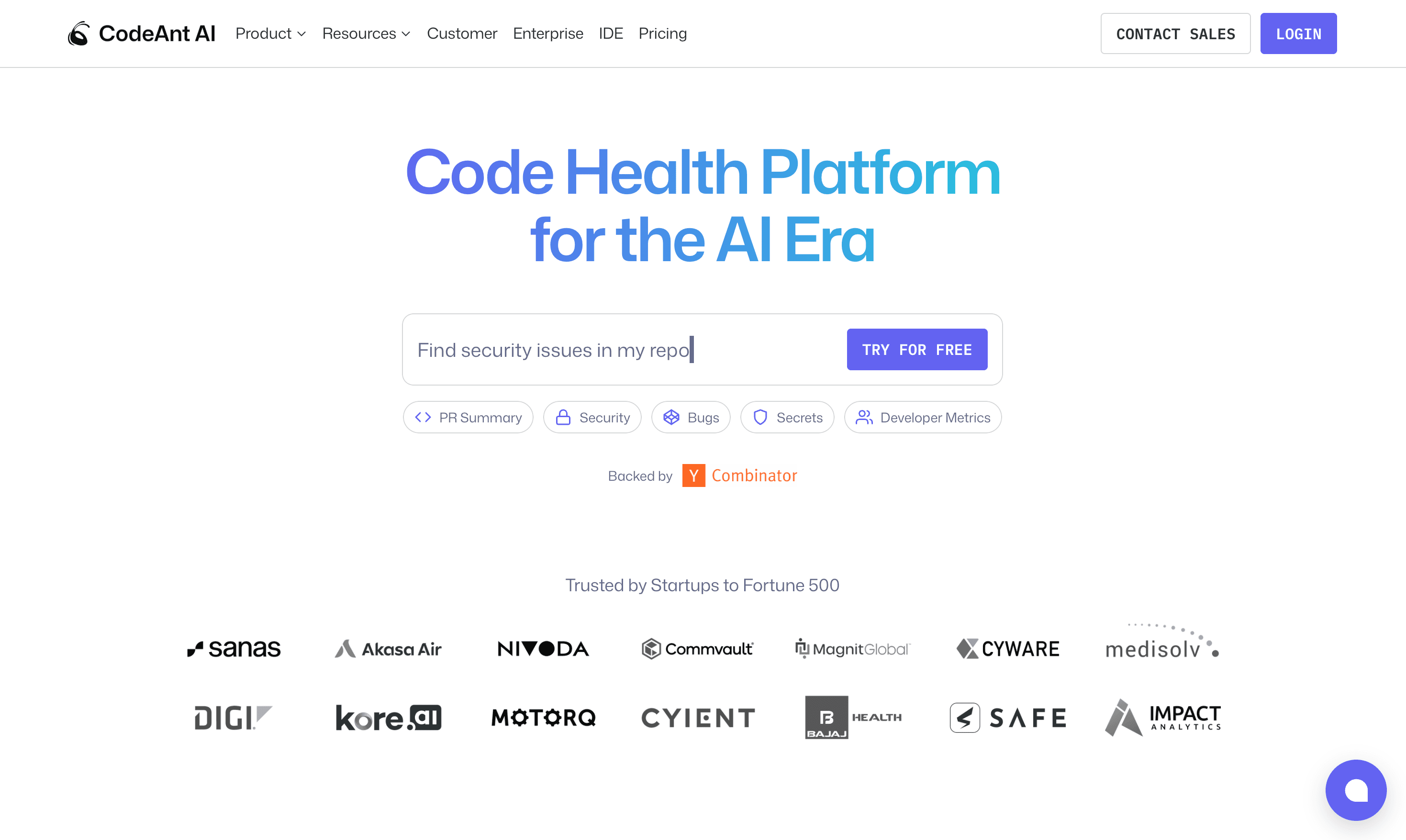
CodeAnt AI provides a unified platform for AI-driven code review, security scanning, and quality gates. It offers automatic PR analysis, risk classification, and enforcement of organization-specific standards. The platform is context-aware—it doesn't just scan code, it understands coding patterns, team standards, and architectural decisions.
Beyond PR routing, CodeAnt delivers a 360° view of engineering performance, combining code quality checks with developer analytics and AI-powered contribution summaries.
GitHub Copilot for pull requests
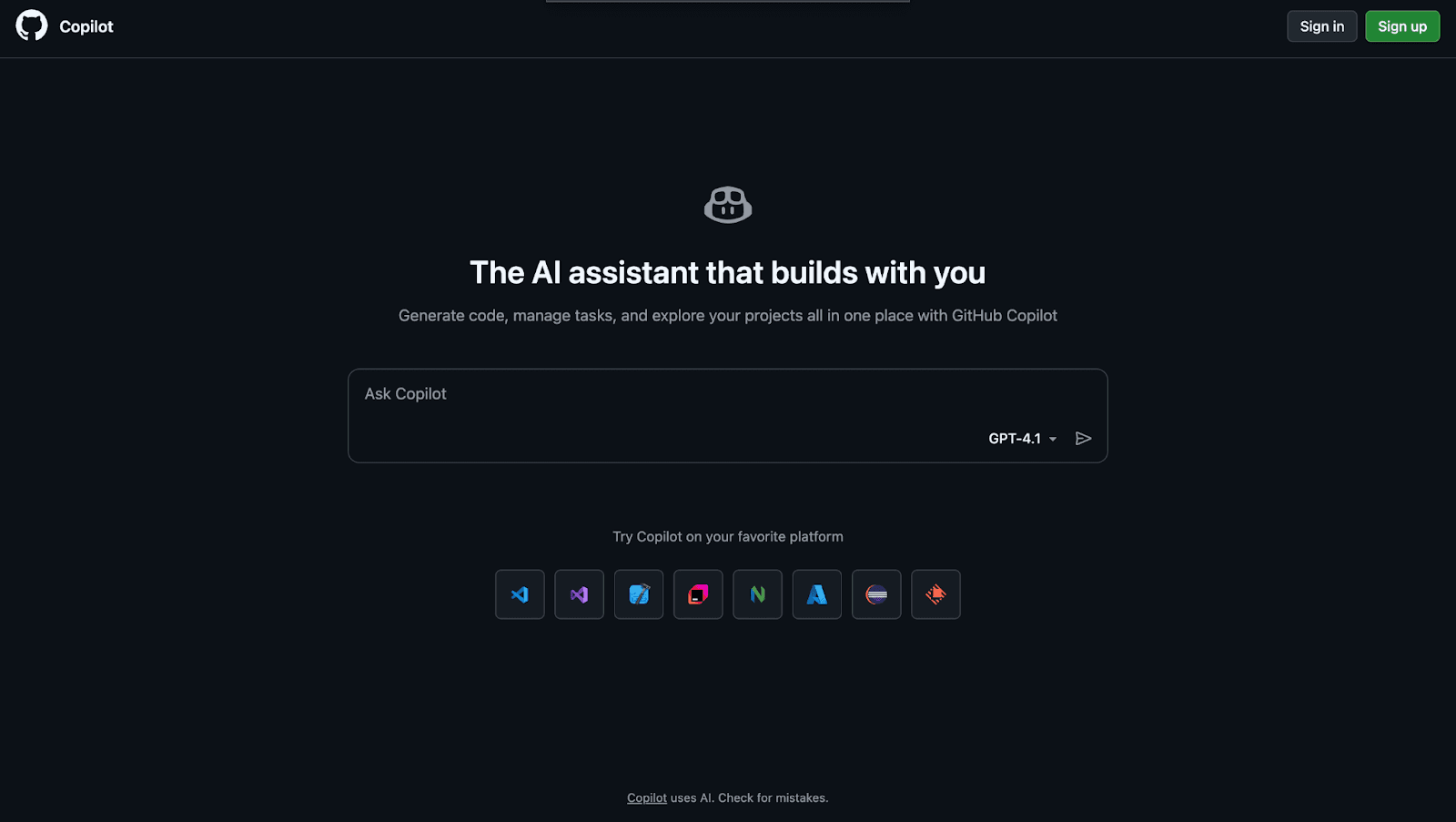
GitHub's native AI features provide automatic PR summaries and suggestions to help reviewers understand changes faster. It focuses more on assisting human reviewers rather than making automated routing decisions.
LinearB
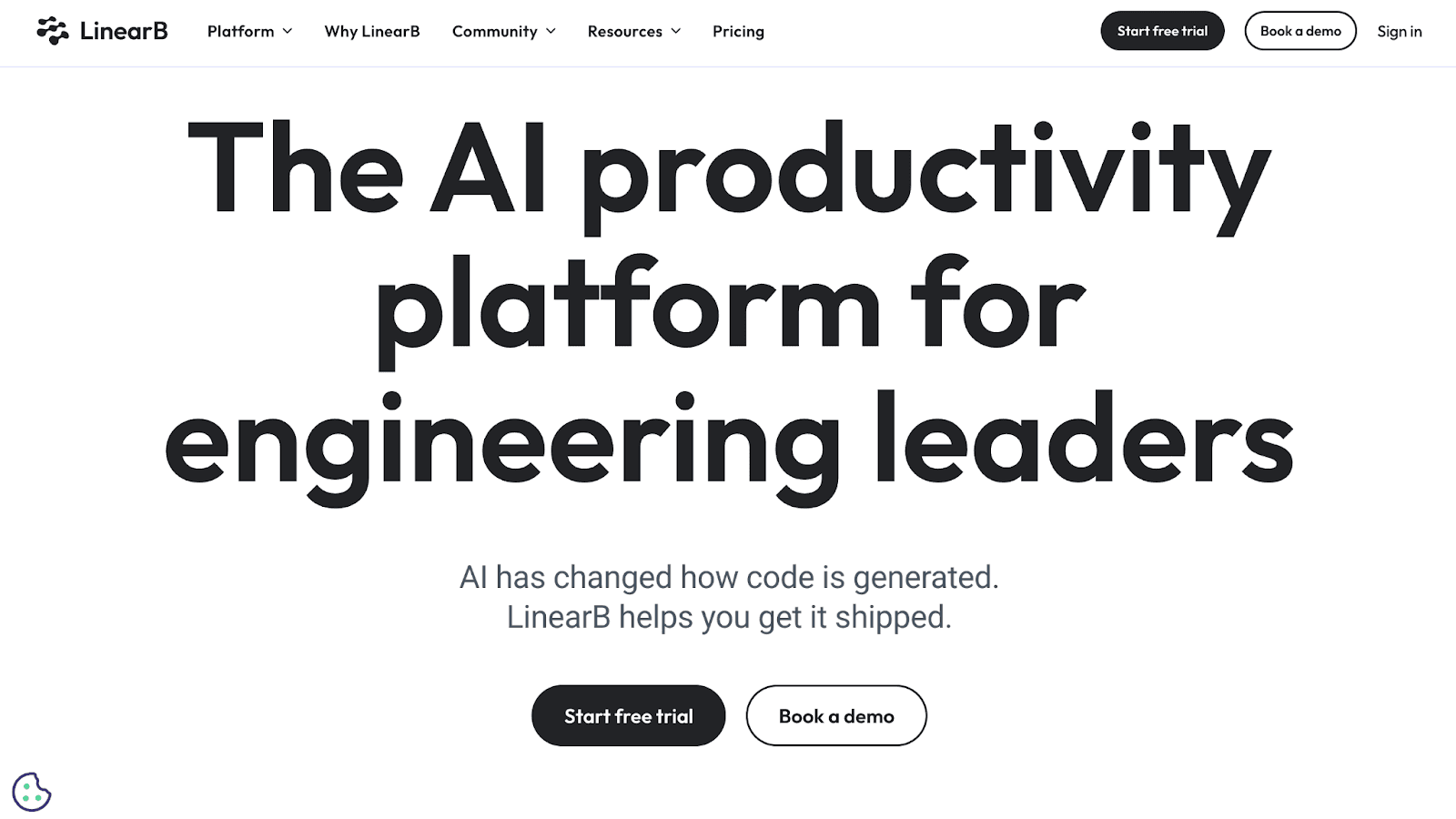
LinearB focuses on engineering metrics and PR policy automation. It allows teams to create workflow rules based on PR attributes like size and estimated review time.
Graphite

Graphite is known for its stacked PRs workflow, which helps fast-moving teams manage dependencies between changes. It includes AI-powered features to summarize changes and assist with review.
SonarQube
SonarQube and SonarCloud are static analysis tools that provide quality gates. Quality gates can block or allow merges based on whether code meets predefined quality and security thresholds.
Checkout this SonarQube Alternative.
Build a Code Review Process That Scales with Your Engineering Team
AI-based PR routing isn't about removing human judgment—it's about focusing valuable human attention where it matters most. By automating review of low-risk, trivial changes, you empower senior developers to concentrate on complex, high-impact code.
Ready to automate your PR review routing? Book your 1:1 with our experts today.
FAQs
How do I handle urgent hotfixes that bypass AI routing?
What compliance frameworks require mandatory peer review for all code changes?
Can pull requests approved by AI still introduce security vulnerabilities?
How do I build team trust in automated PR approval decisions?
What happens when AI misclassifies a high-risk pull request as low-risk?