

Your SOC2 auditor doesn’t care how elegant your code is, they care whether you can prove who reviewed it, when, and whether it met your security policies before merge. That’s where most GitHub workflows fall apart.
GitHub’s native pull request features handle basic reviews well, but they weren’t built with compliance evidence in mind. This guide covers the 10 best AI code review tools that close the gap between GitHub’s capabilities and what SOC2 (and SOX) auditors actually expect to see.
Why GitHub Native Reviews Fall Short for SOC2 Compliance
GitHub compliance teams targeting SOC2 and SOX requirements look for AI code review tools with zero-retention policies, detailed audit logs, and integrated security scanning. GitHub’s built-in pull request features handle basic review workflows well, but they weren’t designed with auditors in mind.
Limited Audit Trail and Evidence Collection
SOC2 auditors expect detailed, immutable records showing who reviewed what code and when. GitHub’s native activity logs capture basic events, yet they lack the granularity and export capabilities that compliance teams require.
You can see that a PR was approved. But generating a comprehensive audit report for your annual review becomes a manual, time-consuming process.
No Enforcement of Segregation of Duties
Segregation of duties (SoD) is a core compliance principle: the person who writes code cannot be the same person who approves it. GitHub doesn’t enforce SoD automatically. Without additional tooling, a developer could theoretically approve their own changes, creating a control gap that auditors will flag.
Basic Security Scanning Without Compliance Context
GitHub offers Dependabot and secret scanning, which catch common vulnerabilities. However, Dependabot and secret scanning don’t map findings to specific SOC2 control requirements or generate compliance-ready reports. Your security team ends up manually correlating scan results with audit evidence.
Manual Policy Enforcement Across Repositories
As your organization grows, ensuring every repository follows the same review policies becomes increasingly difficult. Without automation, compliance teams manually verify that branch protection rules, required reviewers, and approval workflows are configured consistently across all repos.
What SOC2 Compliance Requires from Code Review
SOC2 (Service Organization Control 2) evaluates organizations against Trust Services Criteria covering security, availability, processing integrity, confidentiality, and privacy. For engineering teams, several criteria directly impact how you handle code changes.
Change Management and Approval Controls
CC6.1 and CC8.1 require that all code changes are reviewed and approved before deployment. Auditors look for specific evidence:
Approval documentation: proof that a qualified reviewer approved each change
Change requests: linked tickets or issues tied to code changes
Testing evidence: records showing changes were tested before merge
Logical Access and Authorization
CC6.2 and CC6.3 address who can approve code changes. Only authorized personnel, typically senior developers or designated reviewers, can merge code to production branches. Role-based access controls (RBAC) demonstrate that your organization restricts approval authority appropriately.
Audit Logging and Evidence Retention
SOC2 Type II audits typically cover a 12-month period. Your logs need to be retained for at least that duration, remain tamper-proof, and be exportable on demand. If an auditor asks for evidence of code reviews from eight months ago, you need to produce it quickly.
Vulnerability Identification and Remediation
CC7.1 requires organizations to identify and address security vulnerabilities. AI code review tools help by scanning every PR for security issues before merge, catching problems early rather than discovering them in production.
How AI Code Review Tools Help Compliance Teams
The gap between SOC2 requirements and GitHub’s native capabilities is where AI-powered tools add significant value. AI-powered tools automate the tedious parts of compliance while improving your overall security posture.
Automated Policy Enforcement Before Merge
AI tools block PRs that violate compliance rules, so no manual checking is required. If a PR lacks the required number of approvals, contains hardcoded secrets, or fails security scans, the merge is blocked automatically. Consistent enforcement applies across all repositories without exception.
Continuous Audit Trail Generation
Every review, comment, and approval is logged automatically with timestamps and user attribution. When audit season arrives, you generate compliance reports with a few clicks rather than spending weeks gathering evidence manually.
Real-Time Security and Vulnerability Scanning
AI scans every PR for vulnerabilities, secrets, and misconfigurations before code reaches production. Issues are flagged in the PR itself, giving developers immediate feedback. This shift-left approach reduces remediation costs and keeps your security posture strong.
Centralized Compliance Reporting
Unified dashboards show compliance posture across all repositories in one view. Many tools integrate directly with GRC (Governance, Risk, and Compliance) platforms like Vanta, Drata, and Secureframe, pushing evidence automatically and reducing manual data entry.
Features to Look for in SOC2 Compliant Code Review Tools
Before evaluating specific tools, here’s a checklist of capabilities that matter most for compliance teams:
Mandatory review policies: every PR requires at least one approval from an authorized reviewer
Role-based access controls: only designated team members can approve changes to specific branches
Immutable audit logs: records cannot be edited or deleted after creation
GRC platform integrations: native connections to Vanta, Drata, Secureframe, or Sprinto
Self-hosted deployment options: on-prem or private cloud for data residency requirements
Compliance report exports: PDF or CSV exports that map directly to SOC2 controls
Top 10 GitHub AI Code Review Tools for SOC2 Compliance
CodeAnt AI
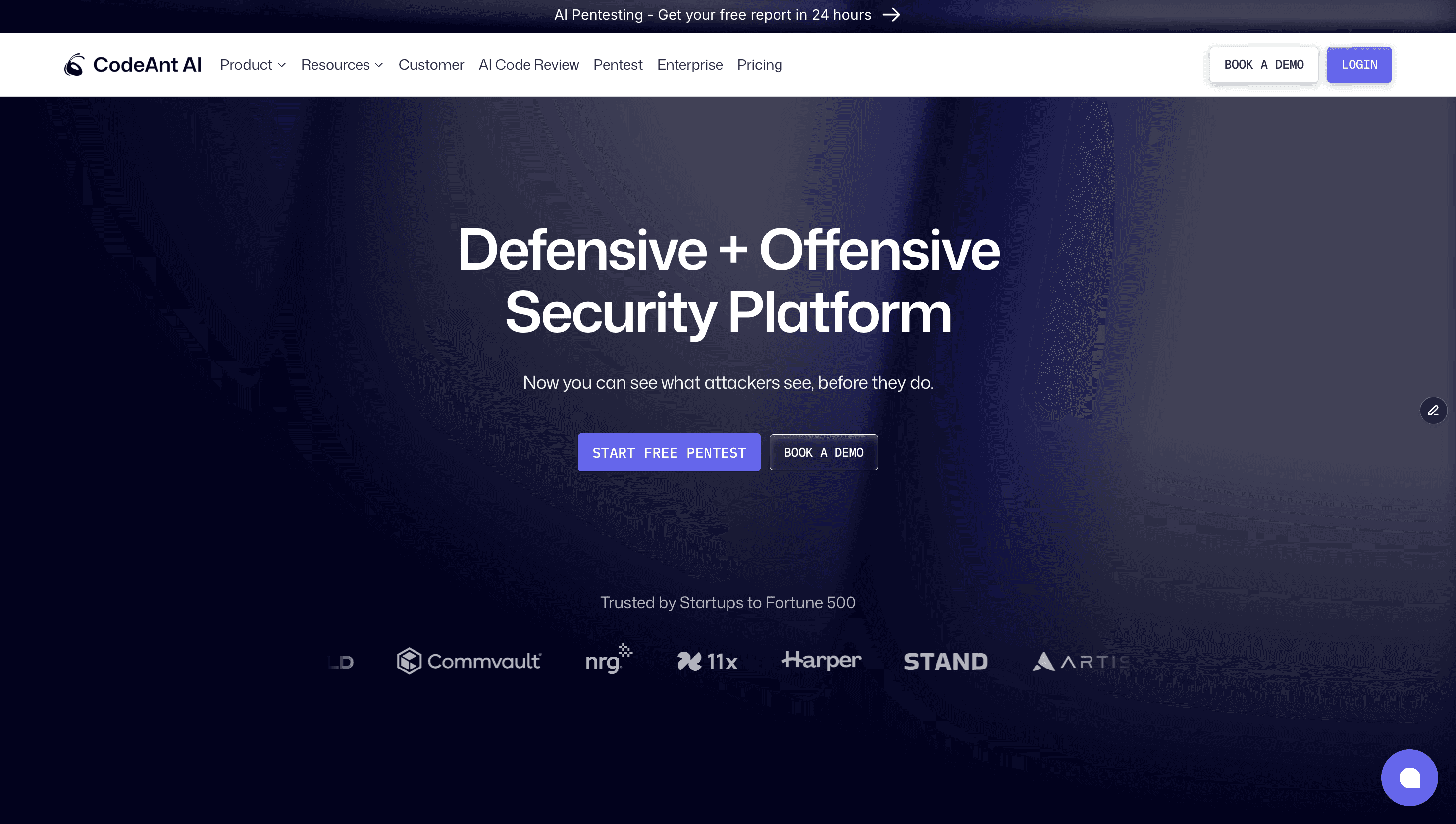
CodeAnt AI is a defensive and offensive security platform that unifies AI code review, SAST, and agentic pen testing. It scans both new code in PRs and existing code across your entire codebase, providing context-aware analysis that understands your team’s patterns and standards.
Features:
AI-driven PR reviews with line-by-line analysis and fix suggestions
Security scanning including SAST, secrets detection, and dependency analysis
Compliance dashboards tracking review coverage, approval rates, and security posture
SOC2-ready audit exports with evidence reports for auditors
360° engineering insights with DORA metrics and developer analytics
Best for: Engineering teams at companies with 100+ developers needing unified code health and compliance.
Pricing: Free tier available; paid plans starting at $10/user/month.
CodeRabbit
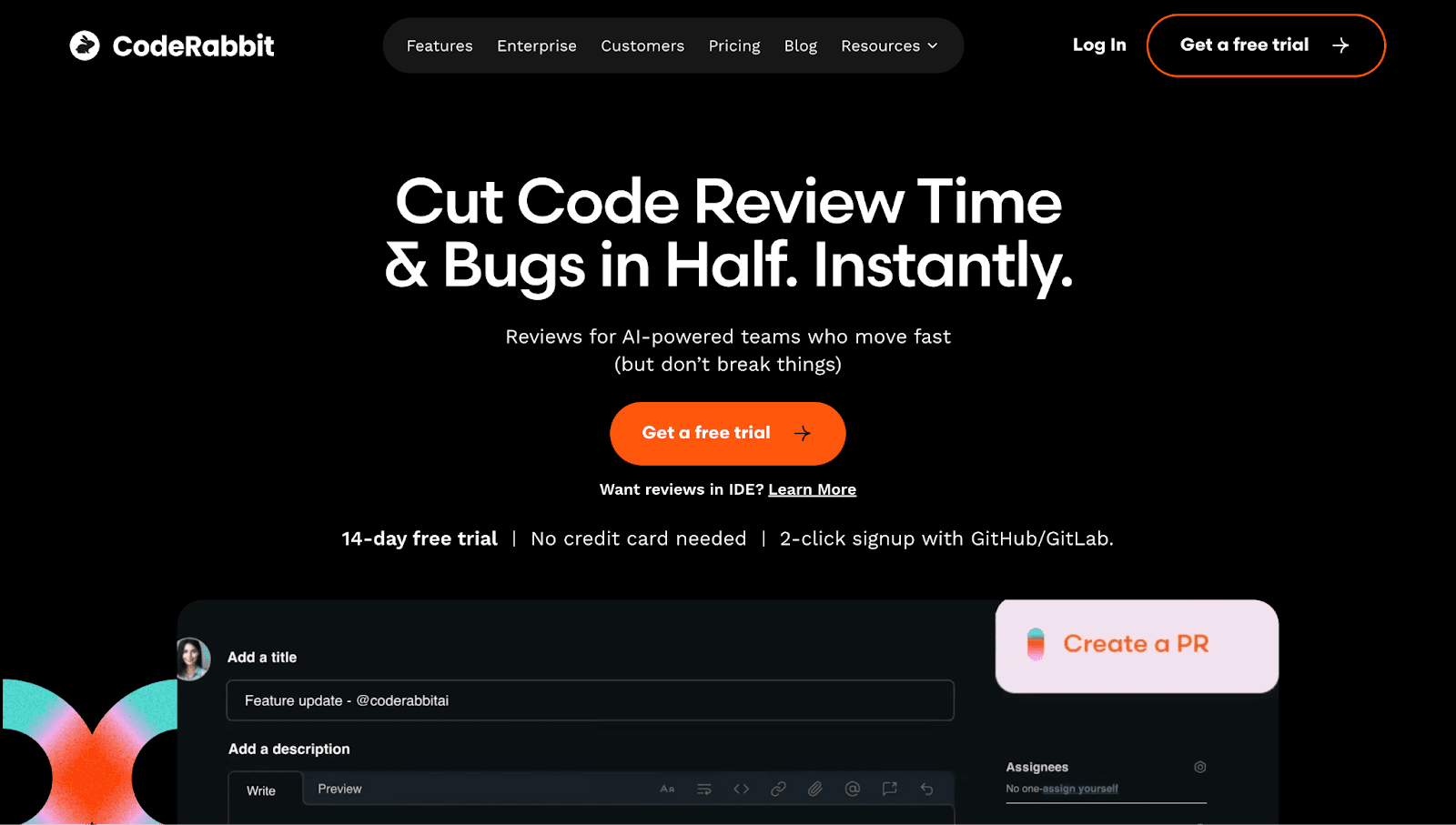
CodeRabbit provides AI-powered code review with contextual suggestions directly in GitHub PRs. It’s SOC2 Type II certified with a zero-data retention policy.
Best for: Teams wanting AI review automation with strong privacy controls.
Limitations: Security scanning is secondary to review automation.
Checkout this CodeRabbit alternative.
GitHub Advanced Security
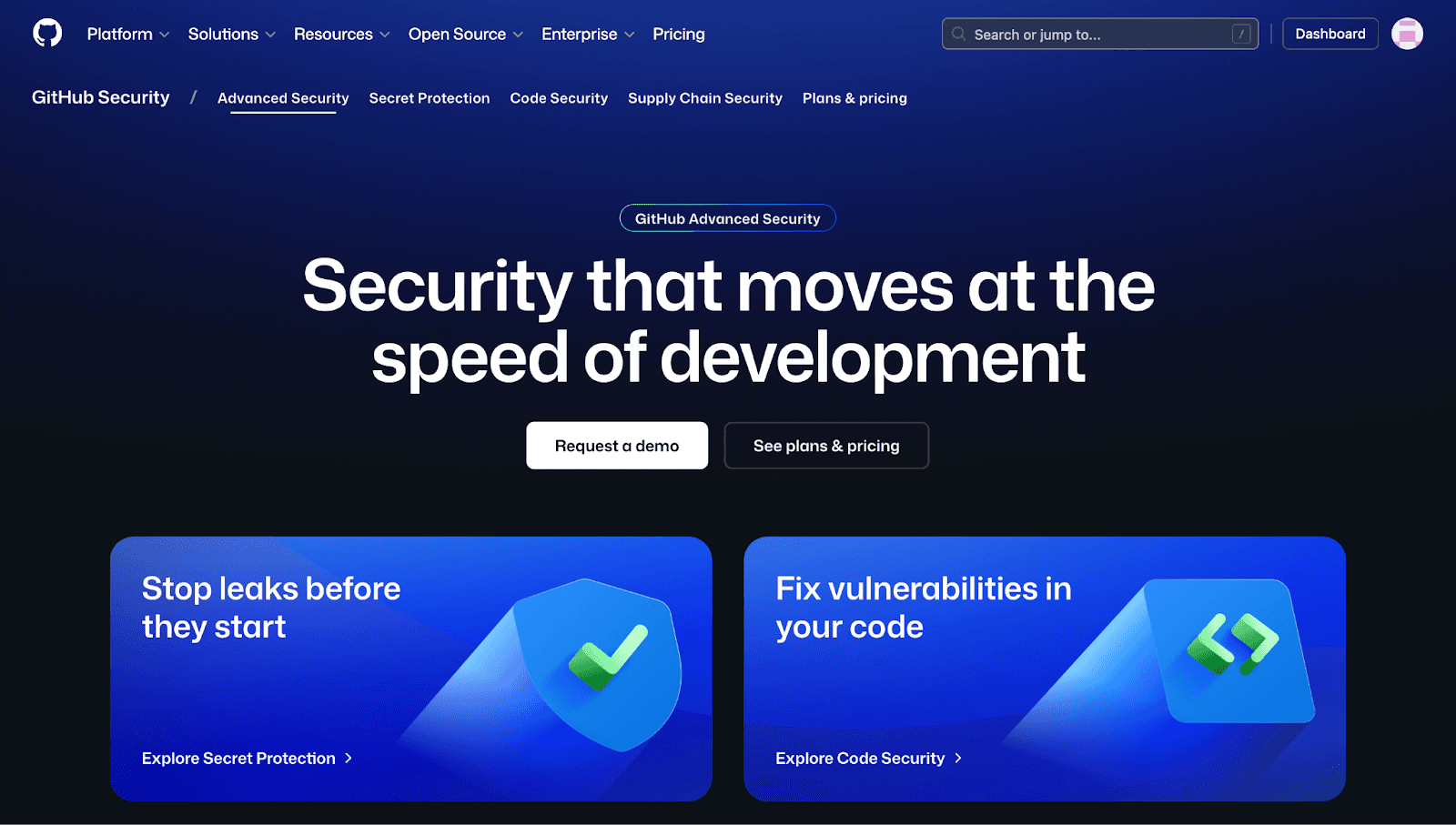
GitHub’s native security add-on provides code scanning, secret scanning, and dependency review directly within the GitHub interface. It’s a natural choice for teams wanting to stay within the GitHub ecosystem.
Best for: Teams already invested in GitHub Enterprise who want ecosystem-native security.
Limitations: No AI-powered review suggestions; limited compliance reporting capabilities.
Checkout this GitHub Security alternative.
SonarQube
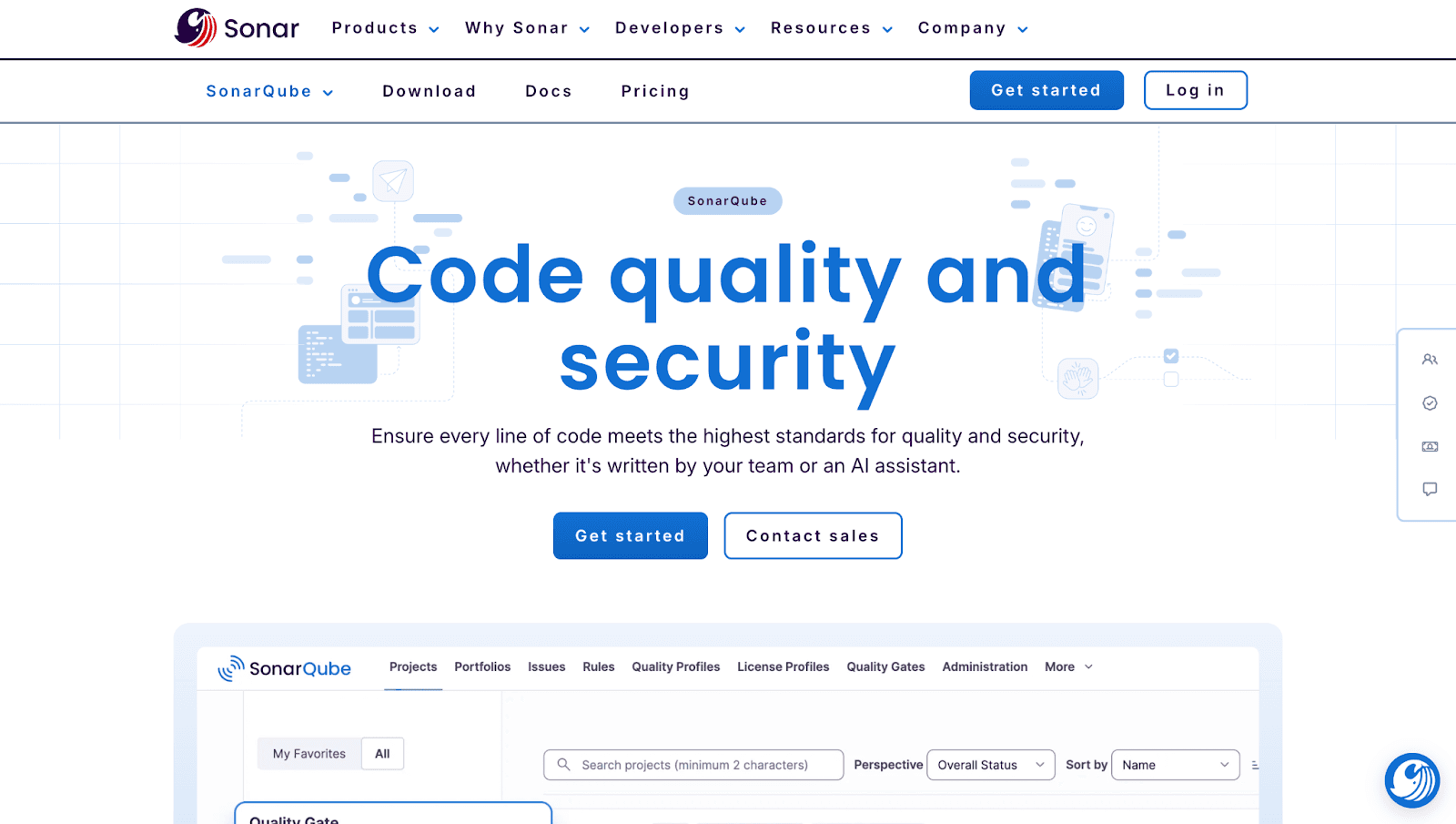
SonarQube is an established code quality and security platform with strong on-premises deployment options. It’s particularly popular in regulated industries requiring data residency.
Best for: Organizations requiring on-prem deployment and detailed quality metrics.
Limitations: AI features are newer and less mature; requires significant setup and maintenance.
Checkout this SonarQube Alternative.
Codacy
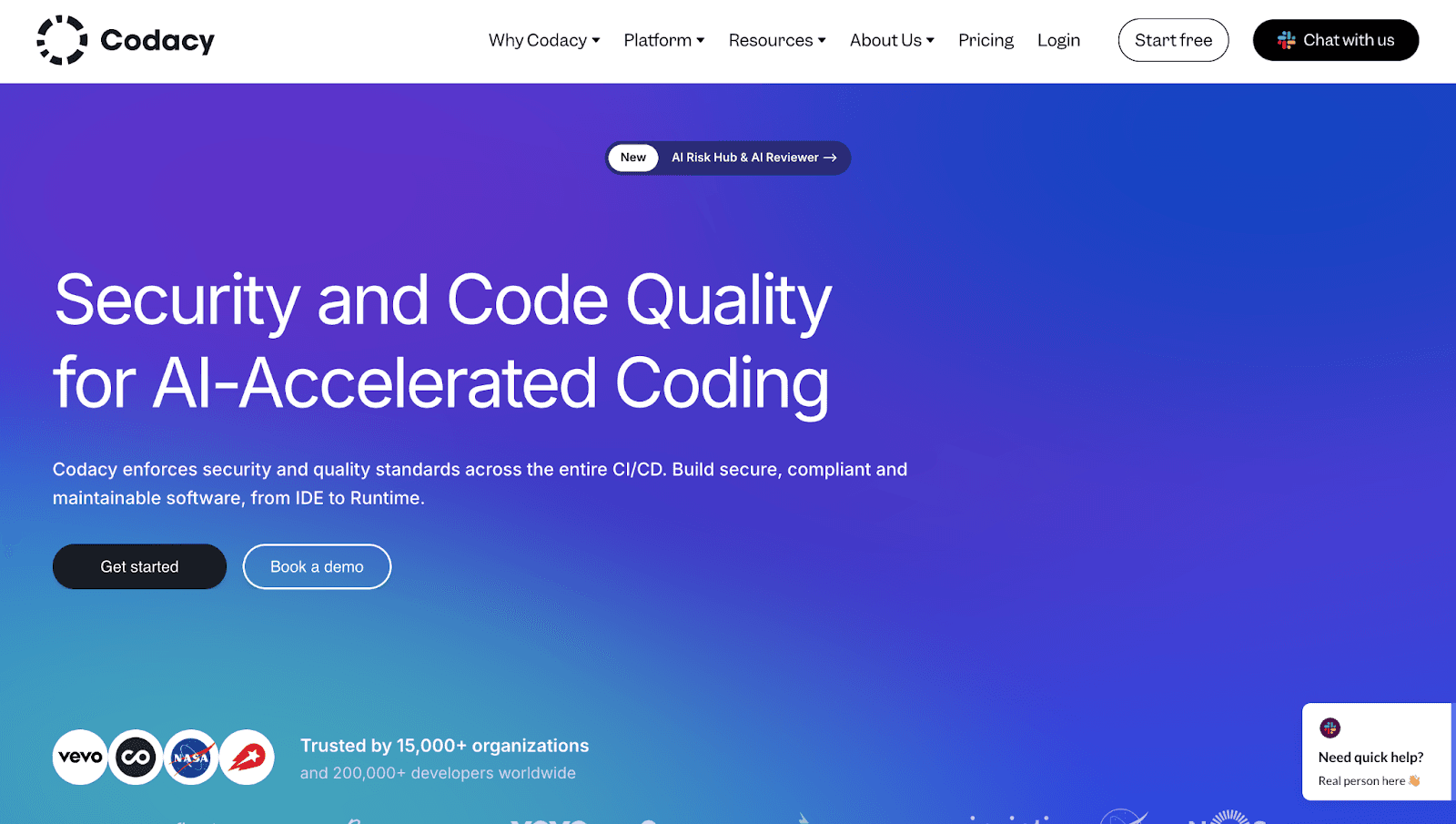
Codacy automates code review covering security, complexity, and duplication. Its compliance dashboards help track quality metrics over time.
Best for: Teams focused on code quality consistency across repositories.
Limitations: AI suggestions less advanced than newer tools.
Checkout this Codacy Alternative.
Aikido Security
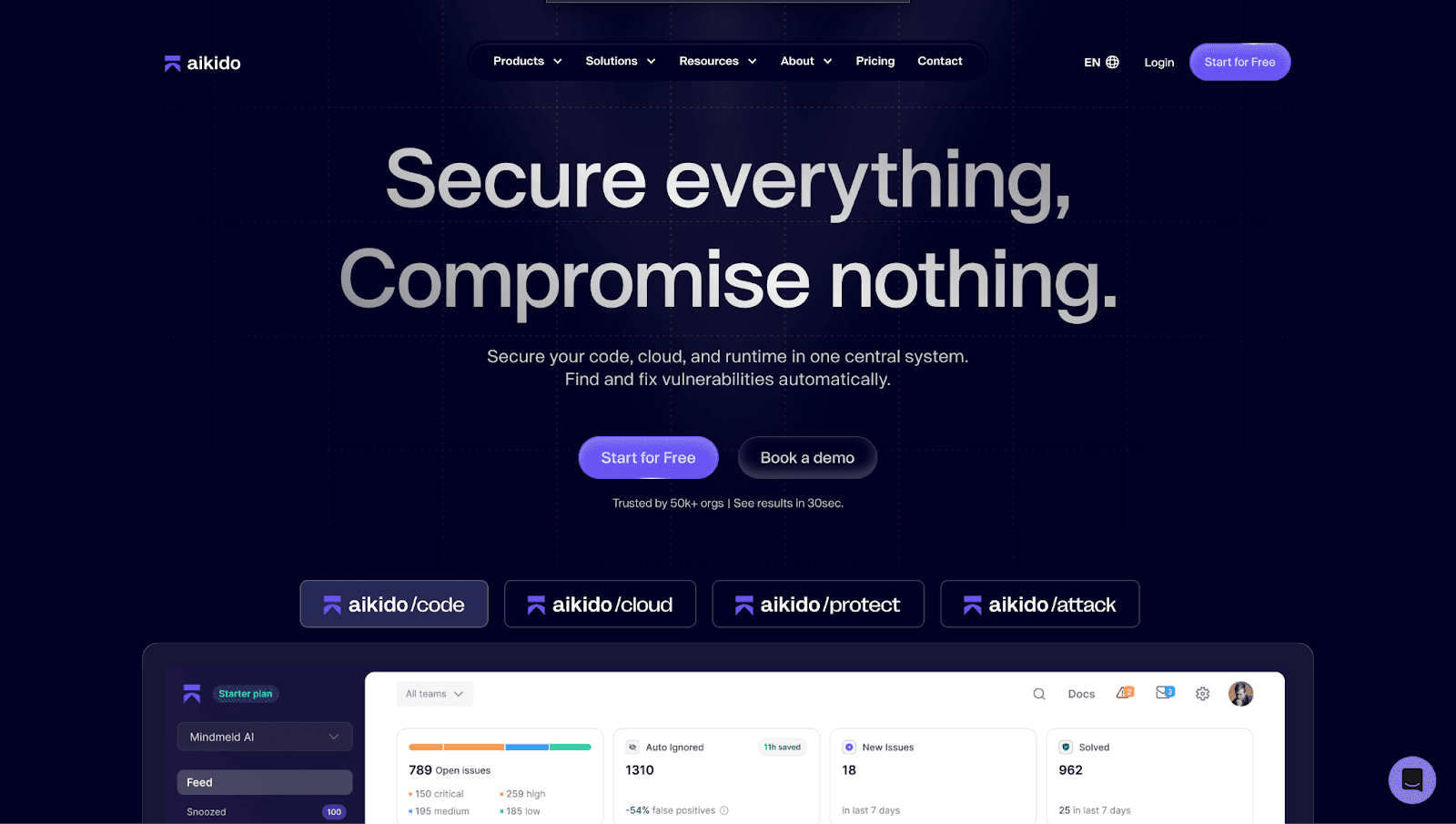
Aikido Security is an all-in-one application security platform combining SAST, DAST, SCA, and secrets scanning. It offers centralized compliance dashboards with exportable reports.
Best for: Security teams wanting comprehensive AppSec in one platform.
Limitations: Newer platform with smaller community; review automation is emerging.
Qodo
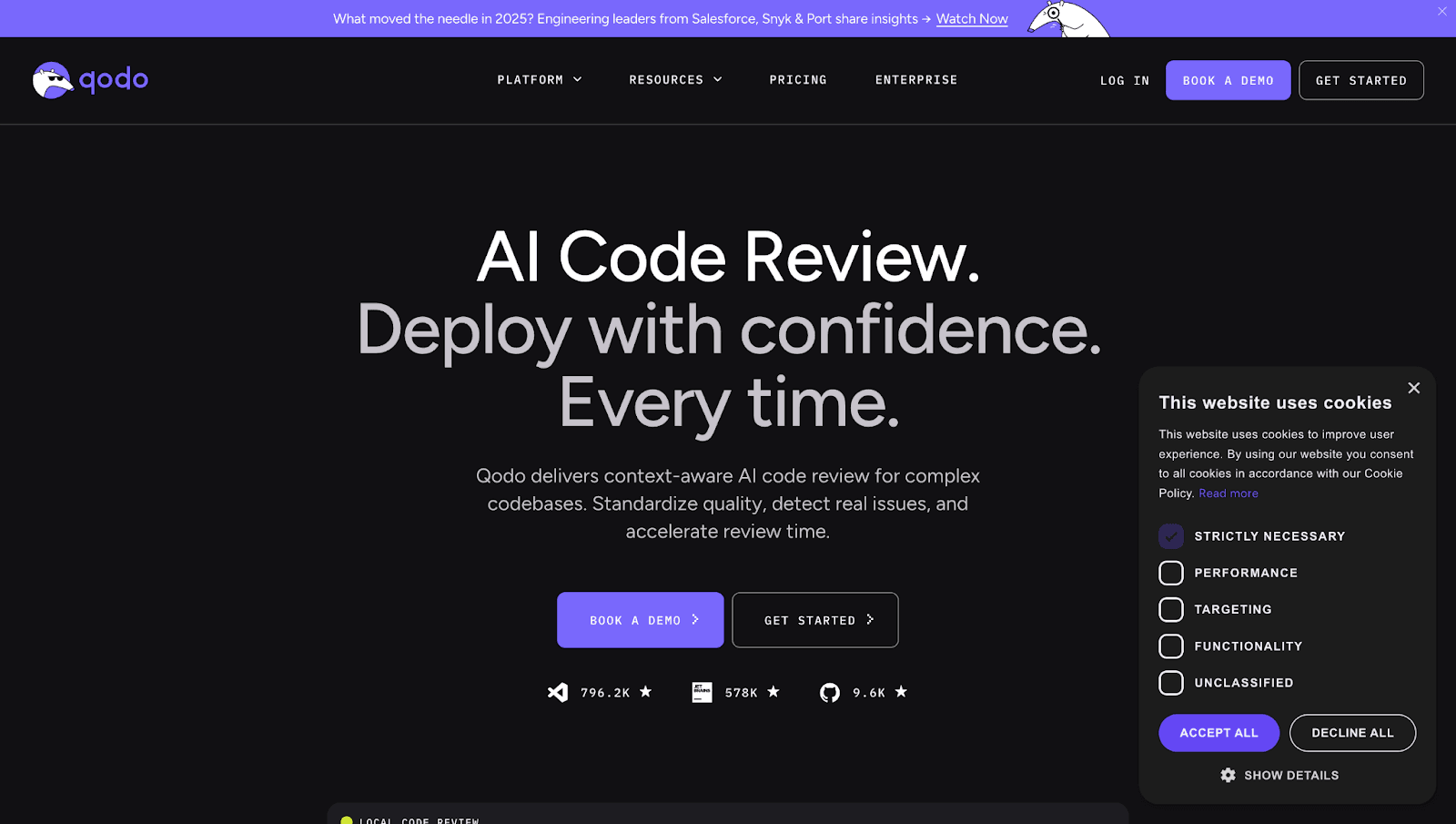
Qodo (formerly CodiumAI) focuses on AI-powered code review with automatic test generation. It helps ensure code coverage meets compliance requirements.
Best for: Teams prioritizing test coverage and code quality.
Limitations: Security scanning not as comprehensive as dedicated security tools.
Checkout this Qodo Alternative.
DeepSource
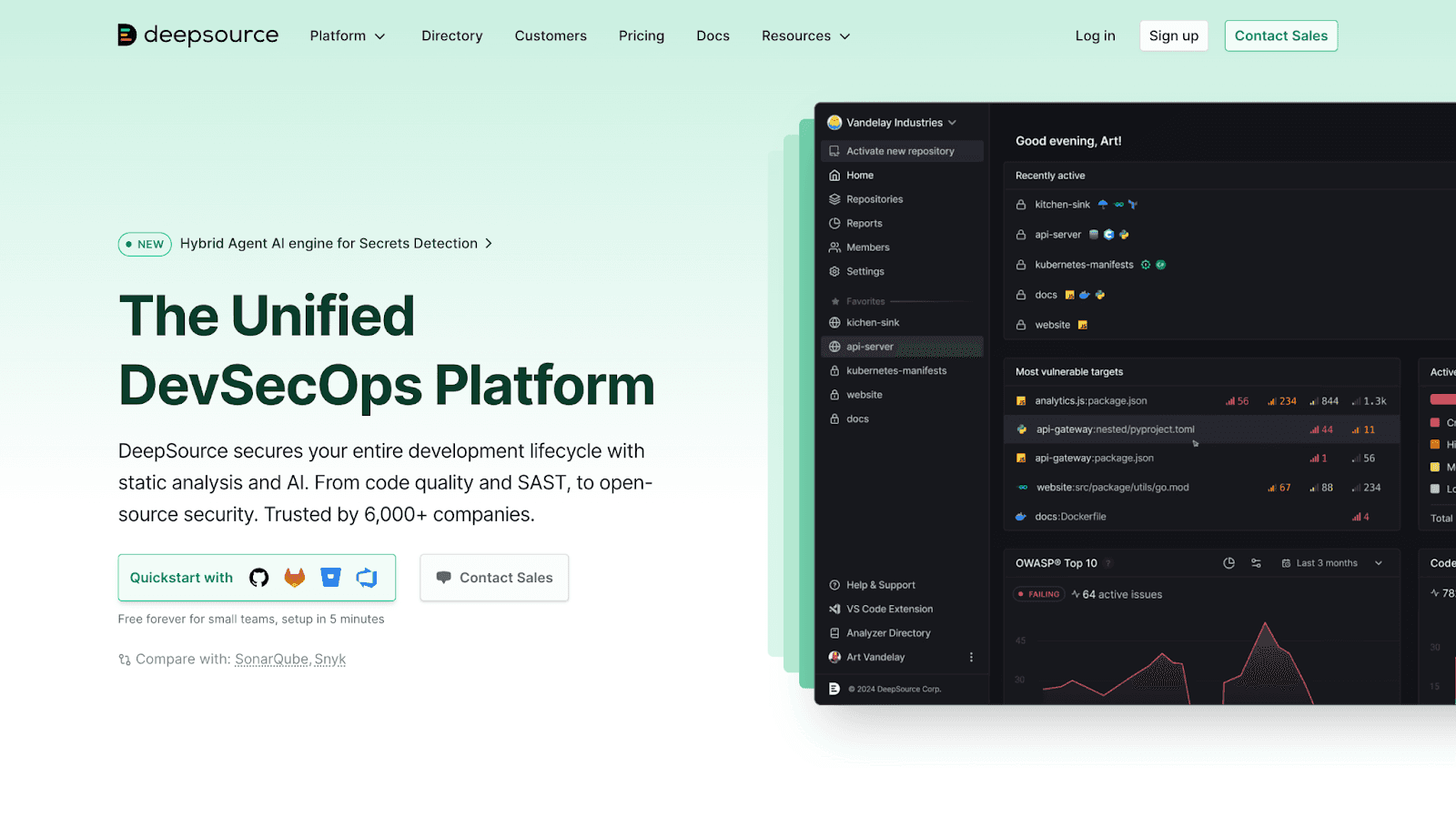
DeepSource provides automated code analysis for security and code quality with fast setup and minimal configuration.
Best for: Teams wanting quick setup with minimal overhead.
Limitations: Compliance reporting features are basic compared to enterprise tools.
Checkout this Deepsource Alternative.
Snyk Code
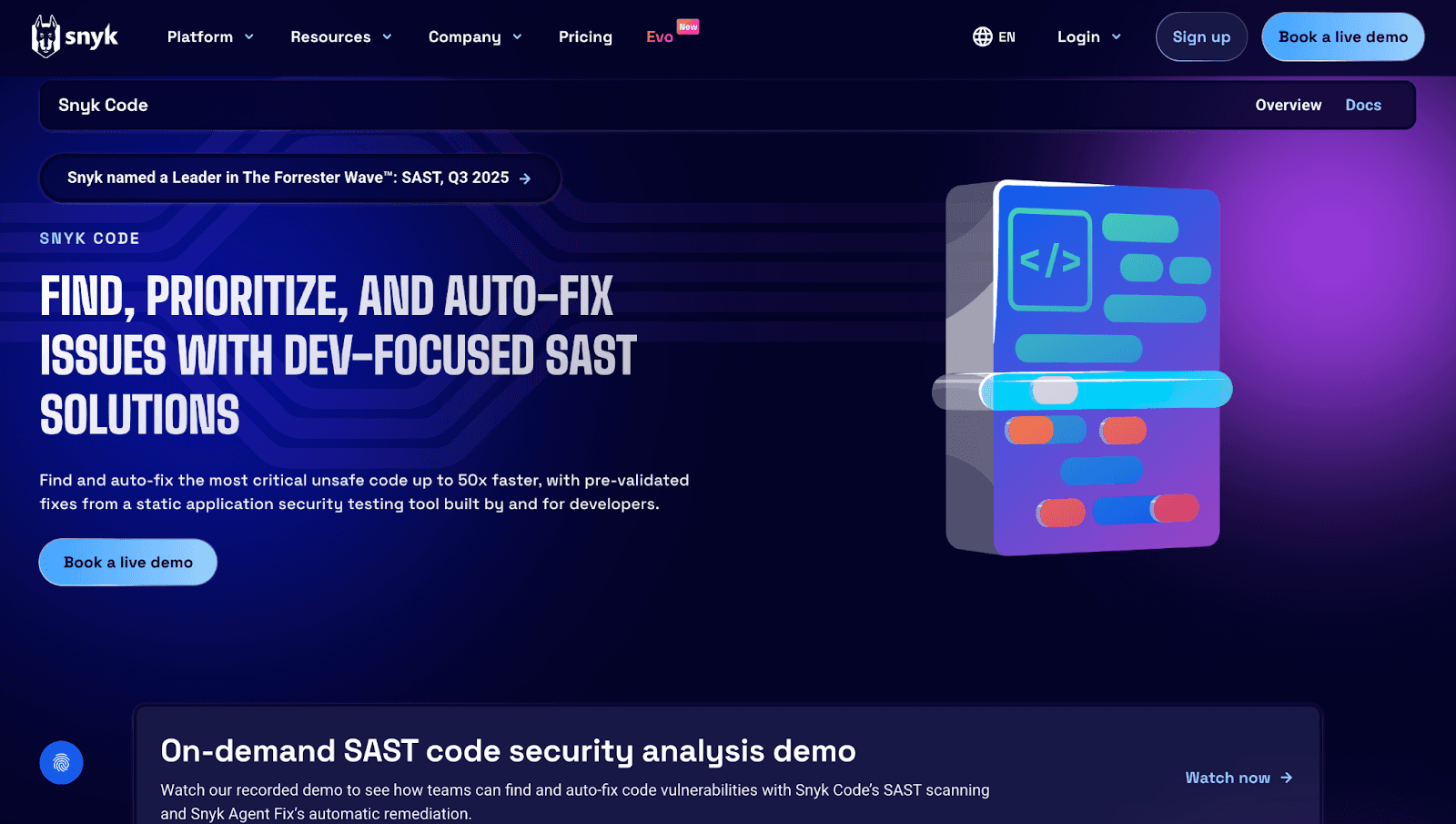
Snyk Code offers developer-first security with real-time vulnerability detection as you code. Its SAST capabilities integrate smoothly with GitHub workflows.
Best for: Security-focused teams prioritizing vulnerability detection.
Limitations: Focused primarily on security and doesn’t cover code quality or review automation.
Checkout these Top 13 Snyk Alternatives.
CodeScene
CodeScene takes a unique behavioral approach, analyzing code patterns to identify hotspots and organizational risks. It’s particularly useful for strategic technical debt planning.
Best for: Engineering leaders focused on strategic code health planning.
Limitations: Less focused on PR-level review; more suited for strategic planning.
Comparison of AI Code Review Tools for Compliance
Tool | AI PR Review | Security Scanning | Audit Logs | GRC Integrations | Self-Hosted |
CodeAnt AI | ✓ | ✓ | ✓ | ✓ | ✓ |
GitHub Advanced Security | Limited | ✓ | ✓ | Limited | ✓ |
Snyk Code | Limited | ✓ | ✓ | ✓ | ✓ |
SonarQube | Limited | ✓ | ✓ | Limited | ✓ |
CodeRabbit | ✓ | Limited | ✓ | Limited | No |
Codacy | Limited | ✓ | ✓ | Limited | ✓ |
Aikido Security | ✓ | ✓ | ✓ | ✓ | No |
Qodo | ✓ | Limited | Limited | No | No |
DeepSource | ✓ | ✓ | Limited | No | No |
CodeScene | Limited | Limited | ✓ | No | ✓ |
How to Choose the Right Tool for Your Compliance Workflow
Assess Your Current Compliance Gaps
Start with a quick audit of your existing processes. Where are you relying on manual checks? Which SOC2 controls lack automated evidence collection? The answers point you toward tools that address your specific gaps.
Evaluate GitHub Integration Depth
Not all tools integrate equally well with GitHub. Look for native GitHub App support, PR comment threading, and status check integration. The best tools feel like natural extensions of your existing workflow rather than separate systems.
Consider Data Residency Requirements
For SOC2 Type II audits, data location often matters. If your organization requires on-prem deployment or specific cloud regions, narrow your options to tools offering those deployment models.
Review Vendor Security Certifications
The tool itself benefits from meeting security standards. Look for vendors with their own SOC2 certification, ISO 27001, or similar credentials. Using a certified vendor simplifies your own compliance posture.
Simplify SOC2 Compliance with Unified Code Health
SOC2 compliance requires consistent enforcement across security, quality, and change management. Juggling multiple point solutions creates gaps and increases audit burden, since each tool has its own logs, its own reports, and its own configuration to maintain.
A unified platform reduces complexity by providing a single source of truth for code health. Instead of correlating data from five different tools, you get one dashboard showing review coverage, security posture, and compliance status across all repositories.
Ready to simplify your compliance workflow?Book your 1:1 with our experts today!

