

When building AI-powered code review systems, choosing the right model is critical. OpenAI offers two specialized models for coding tasks:
GPT-5.1: A general-purpose reasoning model.
GPT-5.1-Codex: A specialized coding model optimized for "long-running, agentic coding tasks."
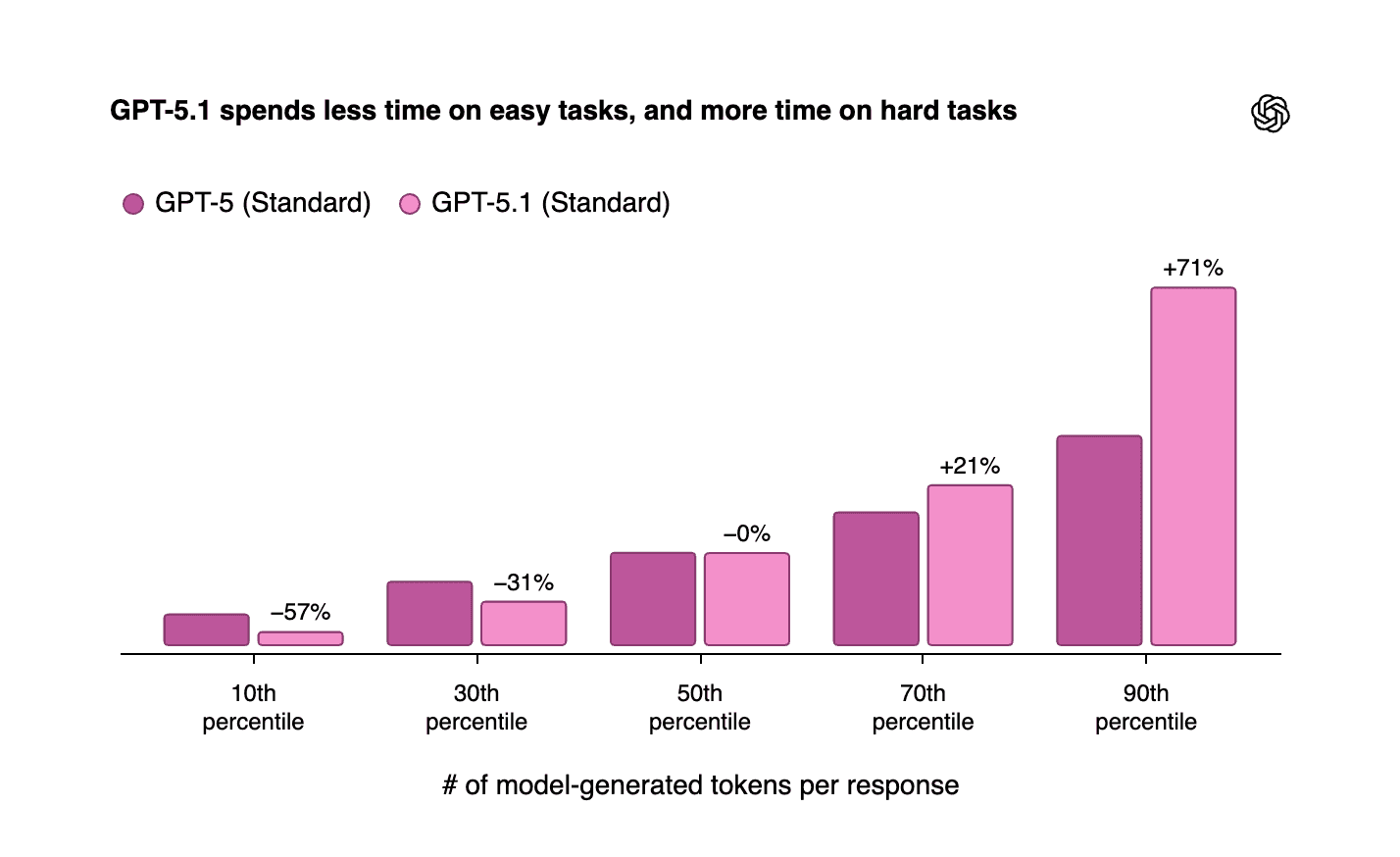
The conventional wisdom suggests that GPT-5.1-Codex should excel at code analysis tasks due to its specialized training for software engineering workflows. However, our testing revealed surprising results that challenge this assumption.
We set out to answer a simple question: Which model is better for automated code review tasks?
Our Test Setup
Test Codebases
Small Codebase (Simple Bug)
Bug Type: Missing
awaitkeyword in async function callComplexity: Single file, single issue
Files: 3 JavaScript files
Location:
api.js:28-const success = this.userService.updateUserProfile(userId, profileData);(should beawait)
Large Codebase (Complex Bug)
Bug Type: Case sensitivity mismatch in permission lookup across multiple files
Complexity: Requires tracing flow through 5 interconnected files
Files: 8 files across multiple directories (models, services, middleware, config)
Location:
config/permissions.js:22-'Admin': ['manage_users', 'view_analytics'](should be'admin'lowercase)Impact: Admin users cannot access protected routes despite having correct role
Agent Harness
We built a simple LangChain-based tool-calling agent with:
5 Tools: Bash, Read, LS, Glob, Grep for codebase exploration
Token Tracking: Comprehensive monitoring of token usage and tool calls
Azure OpenAI: Using Azure endpoints for both models
Configuration:
API Version:
2024-05-01-previewMax Iterations:
50Max Execution Time:
600 seconds
Test Prompt
System: You are an expert code reviewer specializing in JavaScript/Node.js applications. Your task is to analyze the codebase and identify any bugs or issues.
User: There is obviously one bug in this codebase. Please find that bug.
Models Tested
gpt-5.1-codex: OpenAI’s specialized coding model
gpt-5.1: OpenAI’s general-purpose reasoning model
Test Results
Both models successfully identified the bugs in both codebases. However, their approaches and efficiency differed dramatically.
Small Codebase Results
GPT-5.1-Codex Performance:
✓ Found Bug: Missing await in api.js:28
Duration: 14.56 seconds
Tool Calls: 5 (LS, LS, Read, Read, Read - sequential)
LLM Calls: 6
Total Tokens: 9,233
- Prompt Tokens: 8,089
- Completion Tokens: 1,144
Avg Tokens per Call: 1,538.83
GPT-5.1 Performance:
✓ Found Bug: Missing await in api.js:28
Duration: 8.00 seconds
Tool Calls: 5 (Glob, Read, Read, Read, Read - parallel)
LLM Calls: 3
Total Tokens: 4,571
- Prompt Tokens: 3,900
- Completion Tokens: 671
Avg Tokens per Call: 1,523.67
Key Observation: GPT-5.1 was 1.82x faster and used 49.5% fewer tokens despite finding the same bug.
Large Codebase Results
GPT-5.1-Codex Performance:
✓ Found Bug: Case sensitivity mismatch in permissions.js:22
Duration: 25.72 seconds
Tool Calls: 13 (6 LS sequential, 7 Read sequential)
LLM Calls: 14
Total Tokens: 37,890
- Prompt Tokens: 37,144
- Completion Tokens: 746
Avg Tokens per Call: 2,706.43
...
GPT-5.1 Performance:
✓ Found Bug: Case sensitivity mismatch in permissions.js:22
Duration: 13.89 seconds
Tool Calls: 8 (1 Glob, 7 Read parallel)
LLM Calls: 3
Total Tokens: 7,855
- Prompt Tokens: 6,561
- Completion Tokens: 1,294
Avg Tokens per Call: 2,618.33
...
Key Observation: GPT-5.1 was 1.85x faster and used 79.3% fewer tokens on the complex multi-file bug.
Performance Comparison
Metric | Small Codebase | Large Codebase |
Speed Winner | GPT-5.1 (1.82× faster) | GPT-5.1 (1.85× faster) |
Token Efficiency | GPT-5.1 (49.5% fewer) | GPT-5.1 (79.3% fewer) |
Tool Calls (Codex) | 5 sequential | 13 sequential |
Tool Calls (GPT-5.1) | 5 (1 parallel batch) | 8 (1 parallel batch) |
LLM Calls (Codex) | 6 | 14 |
LLM Calls (GPT-5.1) | 3 | 3 |
Codex Duration | 14.56s | 25.72s |
GPT-5.1 Duration | 8.00s | 13.89s |
Codex Tokens | 9,233 | 37,890 |
GPT-5.1 Tokens | 4,571 | 7,855 |
Tool-Calling Patterns
Codex → sequential LS pattern
GPT-5.1 → parallel Glob + Read batch
Analysis: Why GPT-5.1 Outperformed GPT-5.1-Codex
Our Initial Hypothesis
“gpt-5.1-codex models are optimized for long-running, agentic coding tasks…” — OpenAI
Key Reasons for the Performance Gap
Parallel vs Sequential Tool Calling
Task Type Mismatch
Reasoning Mode Optimization
Tool Call Strategy Differences
Important Caveat: Potential Harness Optimization Issue
Our Conclusion
For our specific use case (autonomous bug finding in code review): GPT-5.1 is clearly superior: 1.8x faster, 50-80% fewer tokens, better tool-calling strategy.
However, this may not reflect GPT-5.1-Codex’s full capabilities because:
The task (analysis) doesn’t align with Codex’s strength (generation with iteration)
The harness likely isn’t optimized for Codex’s expected workflow
Limited documentation made proper Codex optimization difficult
When to Use Each Model
Use GPT-5.1 for | Use GPT-5.1-Codex for |
Code analysis & bug finding | Long-running code generation |
Parallel exploration | Iterative development loops |
Low-latency ops | Multi-file refactoring |
Multiple independent tool calls | Persistent iteration over hours |
General coding assistance | Codex-optimized harness workflows |
We’re eager to learn if others have found ways to optimize GPT-5.1-Codex for analysis tasks or have different experiences with these models.
If you're also evaluating Anthropic's approach to automated PR review, our Claude code review guide covers its architecture, pricing, and limitations in detail.

