AI Code Review
How to Reduce Code Review Fatigue: A 7-Step Guide for Development Teams

Sonali Sood

Founding GTM, CodeAnt AI
Code reviews are supposed to protect quality, not drain the life out of your engineering team. Yet as organizations scale, reviewers often find themselves stuck in a loop of repetitive checks, long PR queues, unclear expectations, and constant context-switching. The result is code review fatigue: a state of mental exhaustion that lowers feedback quality, slows delivery, and quietly hurts engineering culture.
If your team is rubber-stamping approvals, leaving PRs open for days, or complaining about “too many reviews,” you’re not alone, and you’re not stuck. This guide provides a practical, actionable system any engineering team can use to reduce review fatigue and create a more sustainable, high-quality code review process.
What Is Code Review Fatigue?
Code review fatigue is the mental and cognitive strain developers experience when they face high-volume, repetitive, or unclear pull request review expectations. Fatigue leads to:
rushed or shallow reviews
inconsistent feedback
overlooked bugs
growing PR queues
reviewer burnout
slower release cycles
Before fixing it, teams need to recognize the early signs.
Warning Signs of Reviewer Burnout
Fatigue rarely appears suddenly—it grows invisibly inside your development workflow. Here’s how to spot it early.
Rubber-Stamping Approvals Without Meaningful Comments
When developers start approving PRs in seconds with no actual feedback, it’s a sign they’re trying to move PRs out of their queue—not review them. This leads to lower quality and higher defect escape rates.
Growing Review Cycle Times
Review cycle time increases when reviewers subconsciously deprioritize PRs because they feel overloaded. Slow reviews cause PR queues to back up, creating frustration for authors and reviewers.
Reviewer Complaints About PR Volume
When team members frequently say things like:
“Too many PRs”
“Why am I always reviewing?”
“We need more reviewers”
…it’s a clear signal that workload distribution isn’t sustainable.
Inconsistent Feedback Quality Across the Team
Some reviews are thorough; others barely skim the surface. Variability indicates fatigue, unclear standards, or overloaded reviewers.
Knowledge Silos Around Senior Developers
If senior engineers handle all complex reviews while others remain underutilized, the imbalance eventually leads to burnout and delays.
Step 1: Keep Pull Requests Small and Focused
Small PRs are the foundation of healthy reviews. Cognitive load multiplies with every additional file, dependency, or change. Large diffs guarantee reviewer fatigue.
Why Large PRs Lead to Shallow Reviews
Reviewers facing a massive PR naturally skim or skip sections just to get through the volume. Critical issues hide inside noise. The chance of missing bugs rises sharply with PR size.
How to Enforce PR Size Limits in Your Workflow
Here are three effective techniques:
Branch by feature: Each PR should reflect one logical change, not a batch of unrelated updates.
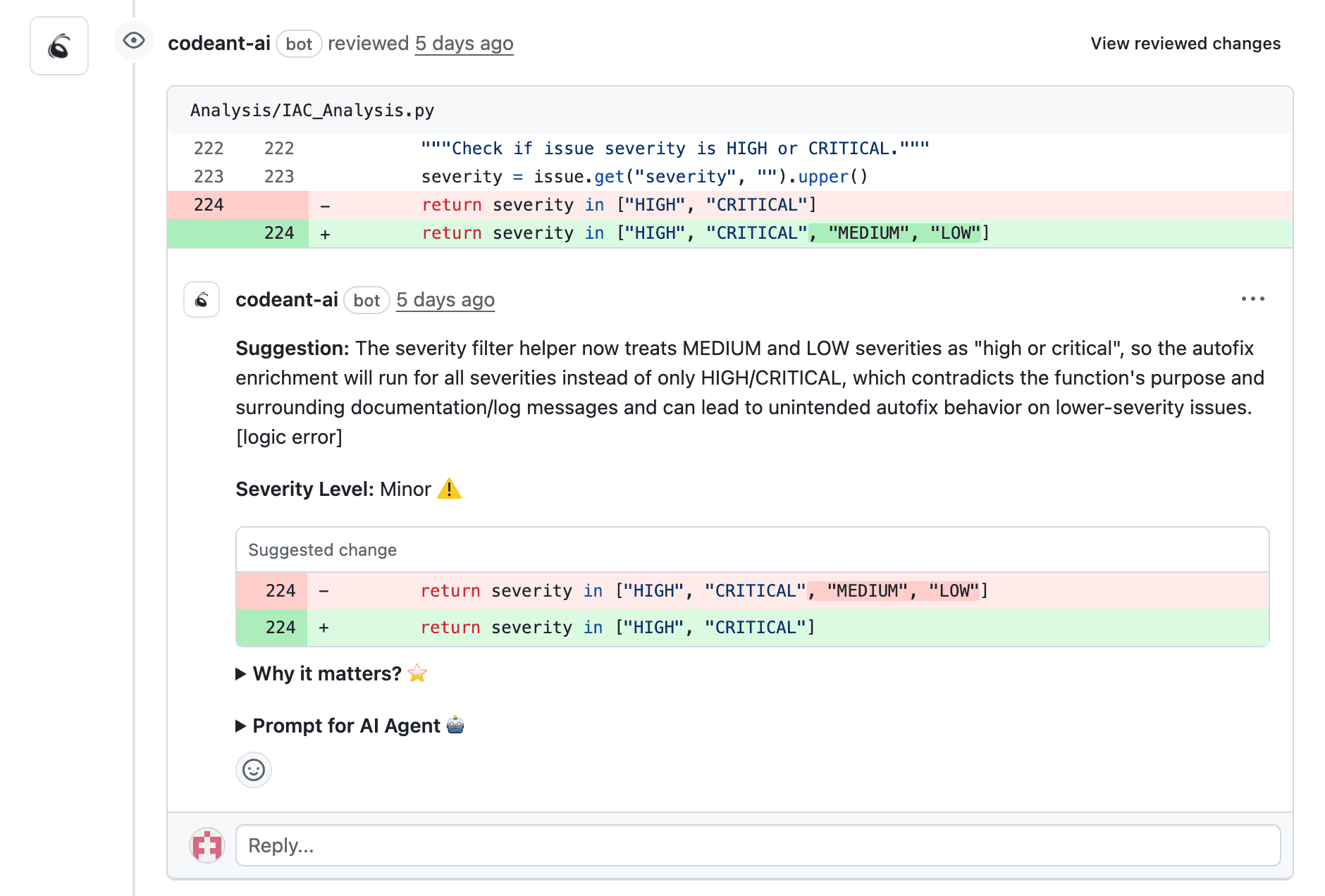
Set soft limits: Agree on thresholds (e.g., 200–400 LOC) to nudge authors toward smaller, cleaner changes.
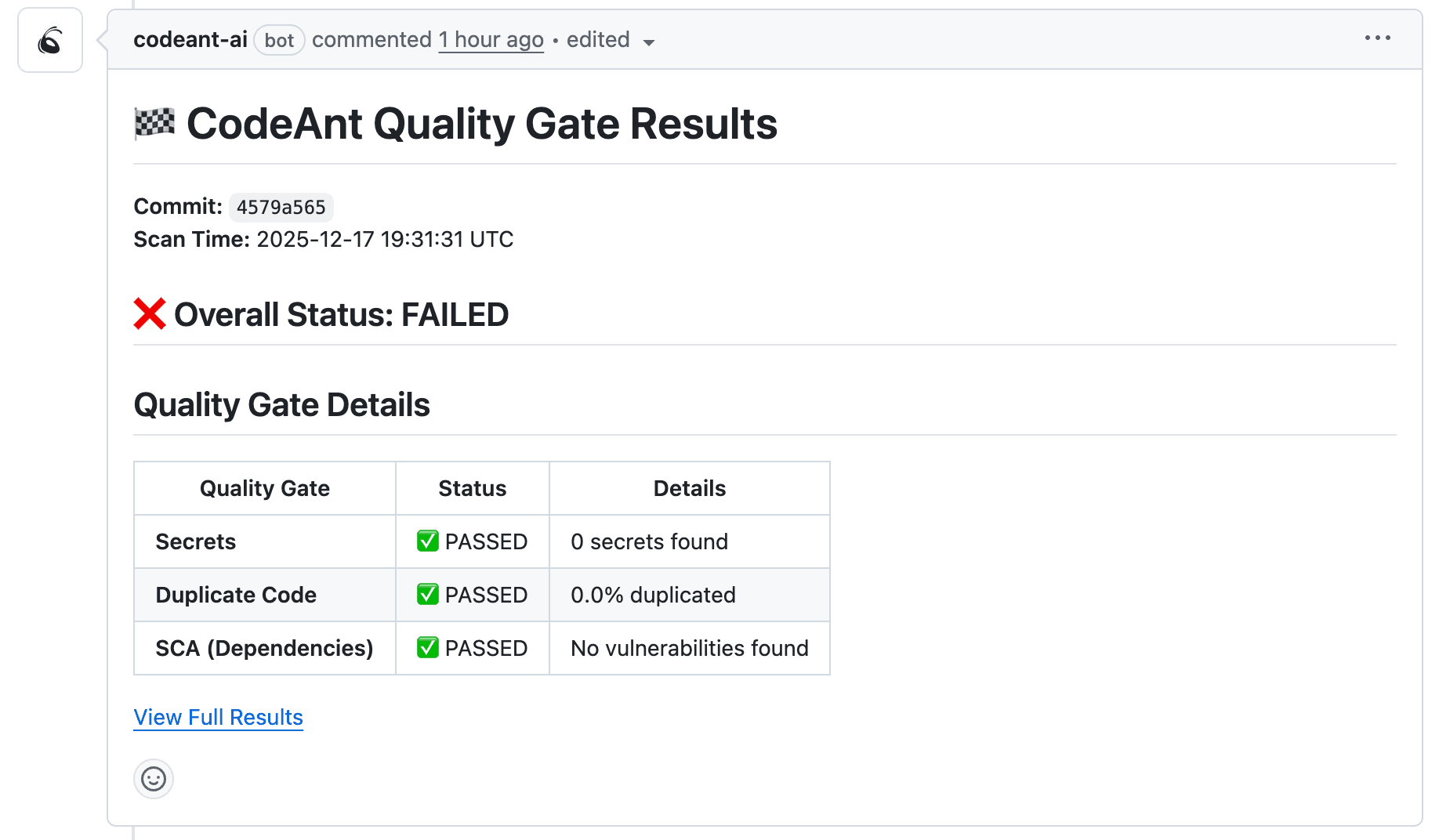
Use merge gates: Tools like CodeAnt AI flag oversized PRs early so authors split them before reviewers suffer.
Step 2: Standardize Code Review Expectations with Checklists
Checklists reduce cognitive load by giving reviewers a repeatable, predictable framework for what to look for—no decision paralysis, no inconsistency.
What to Include in a Code Review Checklist
A strong checklist covers:
Functionality → Does the code do what it claims?
Security → Are secrets protected? Inputs validated?
Readability → Is logic clear, naming consistent?
Testing → Are tests present, meaningful, and passing?
Performance → Any obvious bottlenecks?
How Checklists Reduce Cognitive Load
Instead of “figure out what to check,” reviewers start with a ready-made list. When the mental overhead drops, review quality increases—even under time pressure.
Step 3: Require Author Self-Review Before Submission
The easiest way to reduce reviewer fatigue? Authors catching their own mistakes before reviewers see them.
Encourage authors to:
step away for a few minutes
reopen their diff with fresh eyes
read comments out loud
verify naming clarity
run automated checks
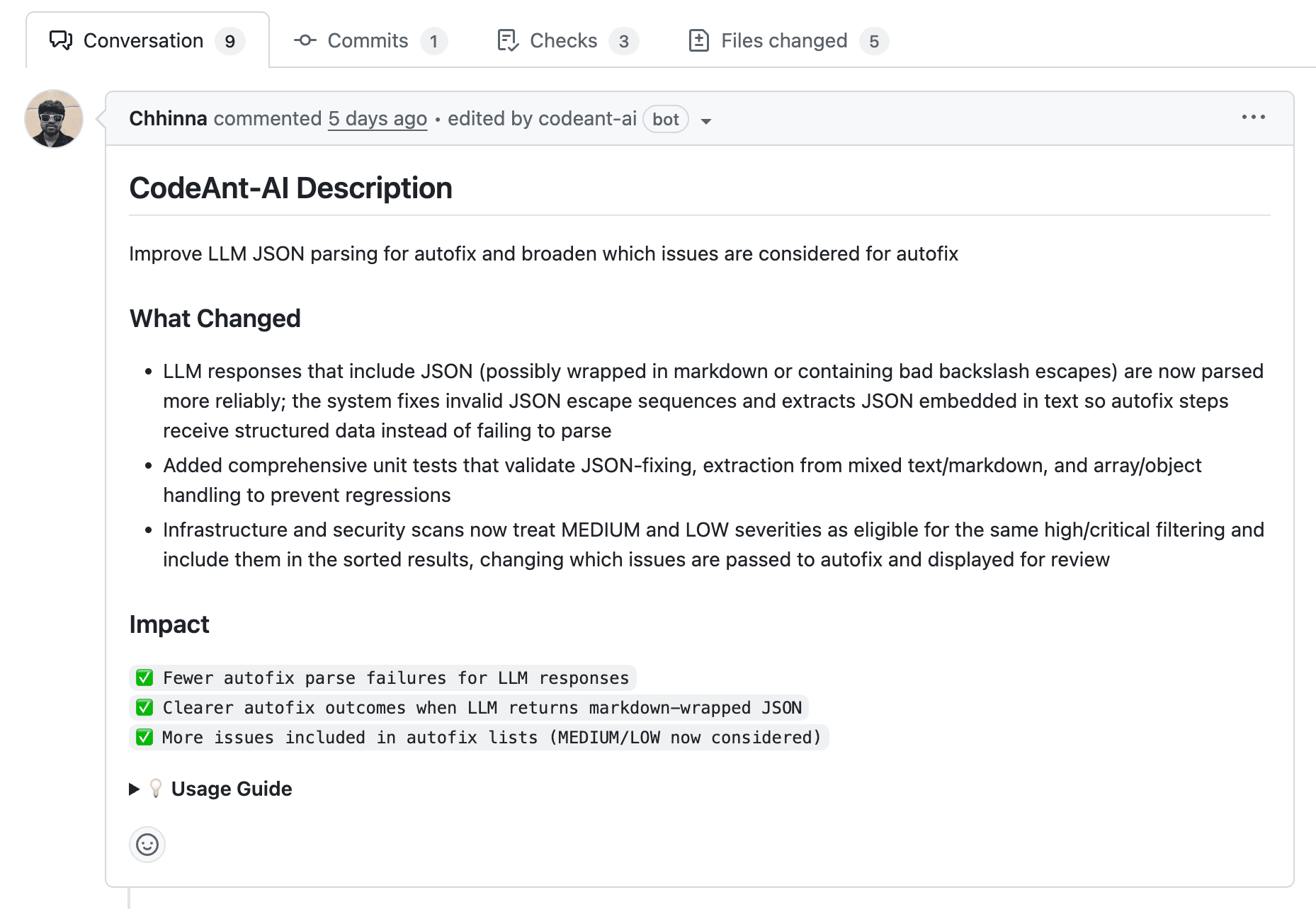
Tools like CodeAnt AI also generate PR summaries and flag issues proactively, giving authors an automated “pre-review” before they hit Request Review.
This cuts down on unnecessary back-and-forth and shows respect for reviewer time.
Step 4: Set Time Limits for Code Review Sessions
Even the best reviewers degrade after long periods of focused scanning. Timeboxing prevents mental fatigue and keeps reviews thoughtful.
How Long Should a Peer Code Review Take?
Studies show review accuracy drops sharply after 60–90 minutes. Most teams benefit from short, frequent review blocks instead of long, draining sessions.
Timeboxing Reviews to Prevent Mental Fatigue
Implement:
Dedicated review windows: Blocked calendar time avoids random interruptions.
Limit consecutive reviews: Alternate between coding and reviewing to reset mental state.
Prioritize by urgency: Review complex or critical PRs when reviewers are most alert.
Step 5: Automate Objective Quality Checks
Humans should not perform repetitive checks. Automation handles mechanical tasks; humans handle logic, design, and the “why” behind changes.
Static Analysis and Linting Automation
Static analysis tools catch:
unused variables
unreachable code
complexity issues
formatting problems
Automatic linting eliminates 70%+ of “nitpick” comments.
Security Scanning and Vulnerability Detection
AI and SAST scanners detect:
injection vectors
dependency vulnerabilities
insecure configurations
secret exposures
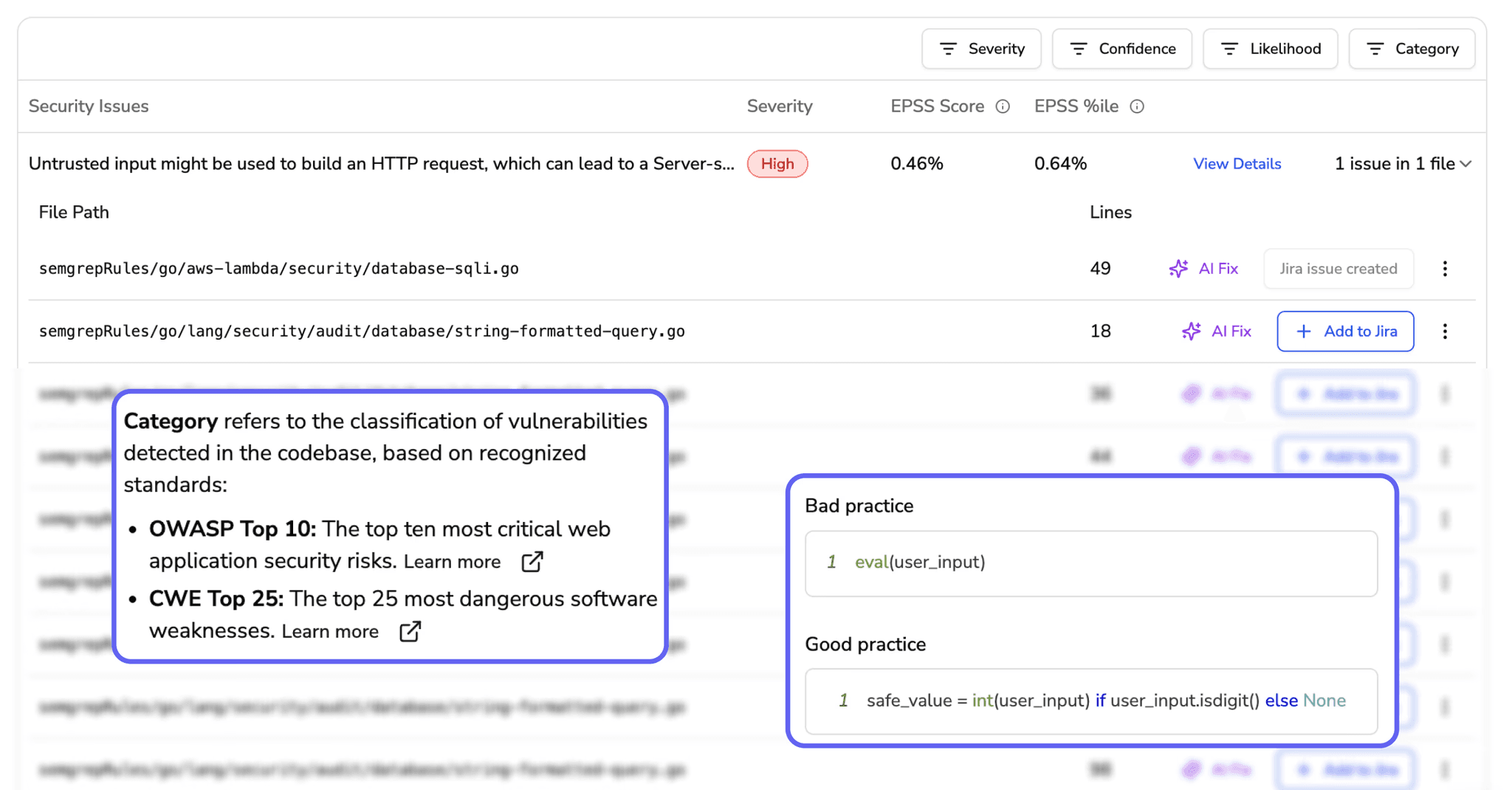
CodeAnt AI integrates security scanning directly into the PR so reviewers don’t manually hunt for risky patterns.
Automated Style and Formatting Enforcement
Prettier, ESLint, Black, and gofmt prevent reviewers from wasting time on styling opinions.
Automation = fewer distractions, fewer mental hops, better focus on meaningful review.
Step 6: Build a Reviewer Rotation to Distribute Load
Even distribution prevents burnout and avoids creating bottlenecks around a few experienced engineers.
Creating a Fair Review Rotation Schedule
Options include:
Round-robin assignment: Automatically assign reviewers in order.
Domain-based rotation: Review within areas of expertise, but rotate periodically.
Track reviewer load: Simple dashboards or PR analytics show who is overloaded.
Preventing Knowledge Silos Through Rotation
Rotation improves bus-factor, spreads domain knowledge, and reduces dependency on senior engineers—lowering the long-term risk of burnout.
Step 7: Coach Reviewers on Giving Actionable Feedback
Reviewer fatigue isn’t just about workload—it’s about giving high-quality feedback efficiently.
What Makes Code Review Feedback Constructive
Good feedback is:
specific → “variable name unclear because…”
explanatory → why it matters
solution-oriented → propose a fix
prioritized → must-fix vs. nice-to-have
respectful → critique code, not people
Training Reviewers to Balance Thoroughness with Speed
Thorough ≠ slow. Effective reviewers prioritize:
correctness
security
maintainability
…and deprioritize personal stylistic preferences.
Code Review Metrics That Reveal Reviewer Health
Metrics turn “I think we’re tired” into facts.
Review Cycle Time
How long a PR stays open. Increase = fatigue or process issues.
Average PR Size and Review Depth
Large PRs + few comments = shallow reviews.
Reviewer Load Distribution
Too many assigned PRs = clear burnout trigger.
Comment-to-Approval Ratio
Bare-minimum comments before approval = rubber-stamping.
Here’s how these metrics map:
Metric | What It Reveals | Warning Sign |
Review cycle time | Bottlenecks | Time increasing consistently |
Average PR size | Reviewer cognitive load | PRs consistently large |
Reviewer load distribution | Workload fairness | Same people reviewing everything |
Comment-to-approval ratio | Feedback depth | Approvals with no comments |
Code Review Tools That Reduce Manual Review Burden
Modern teams use a blend of tools to reduce fatigue:
AI code review platforms → automated suggestions, inline comments, PR summaries (CodeAnt AI)
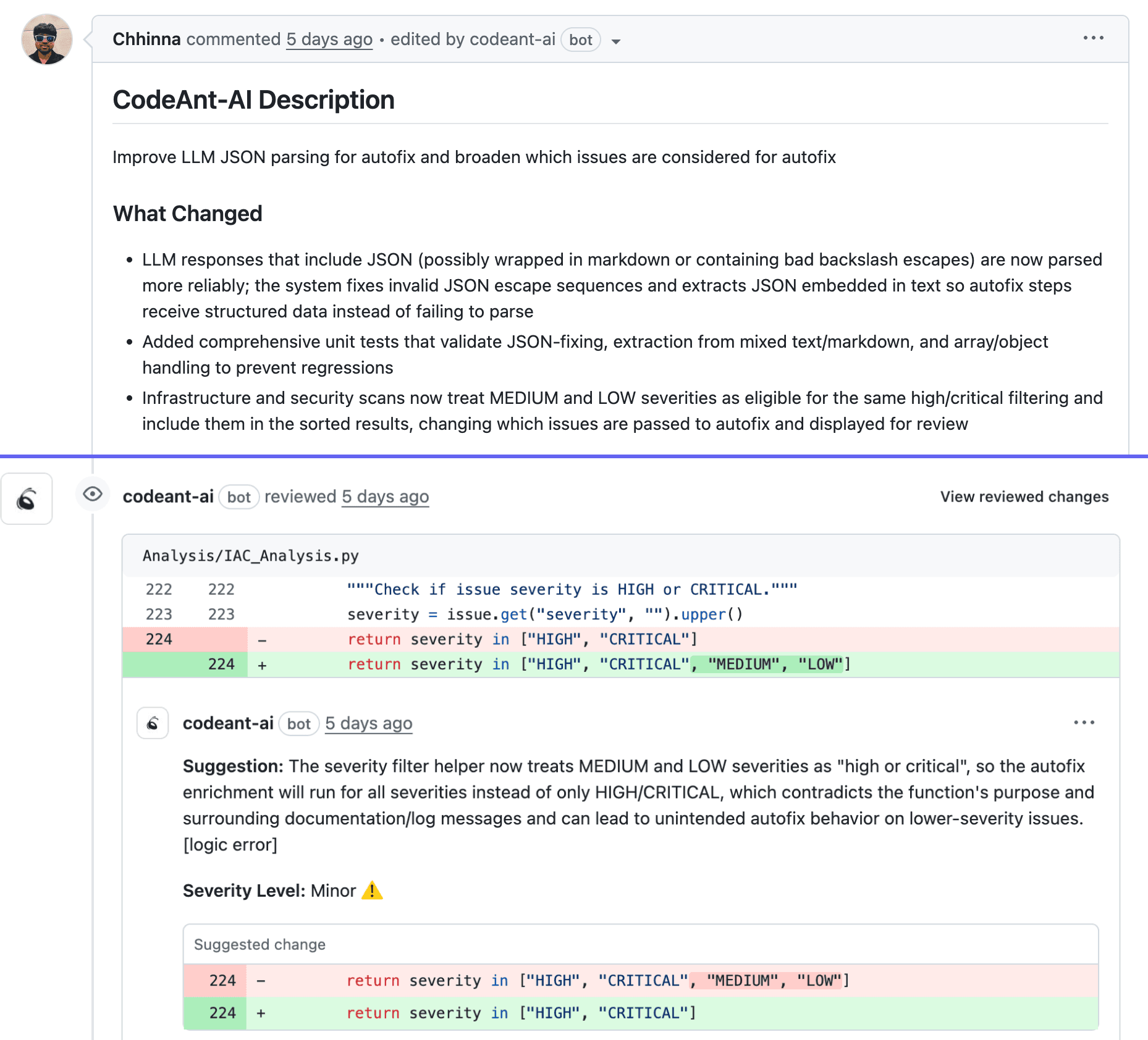
Static analysis tools → bug patterns, complexity, code smells
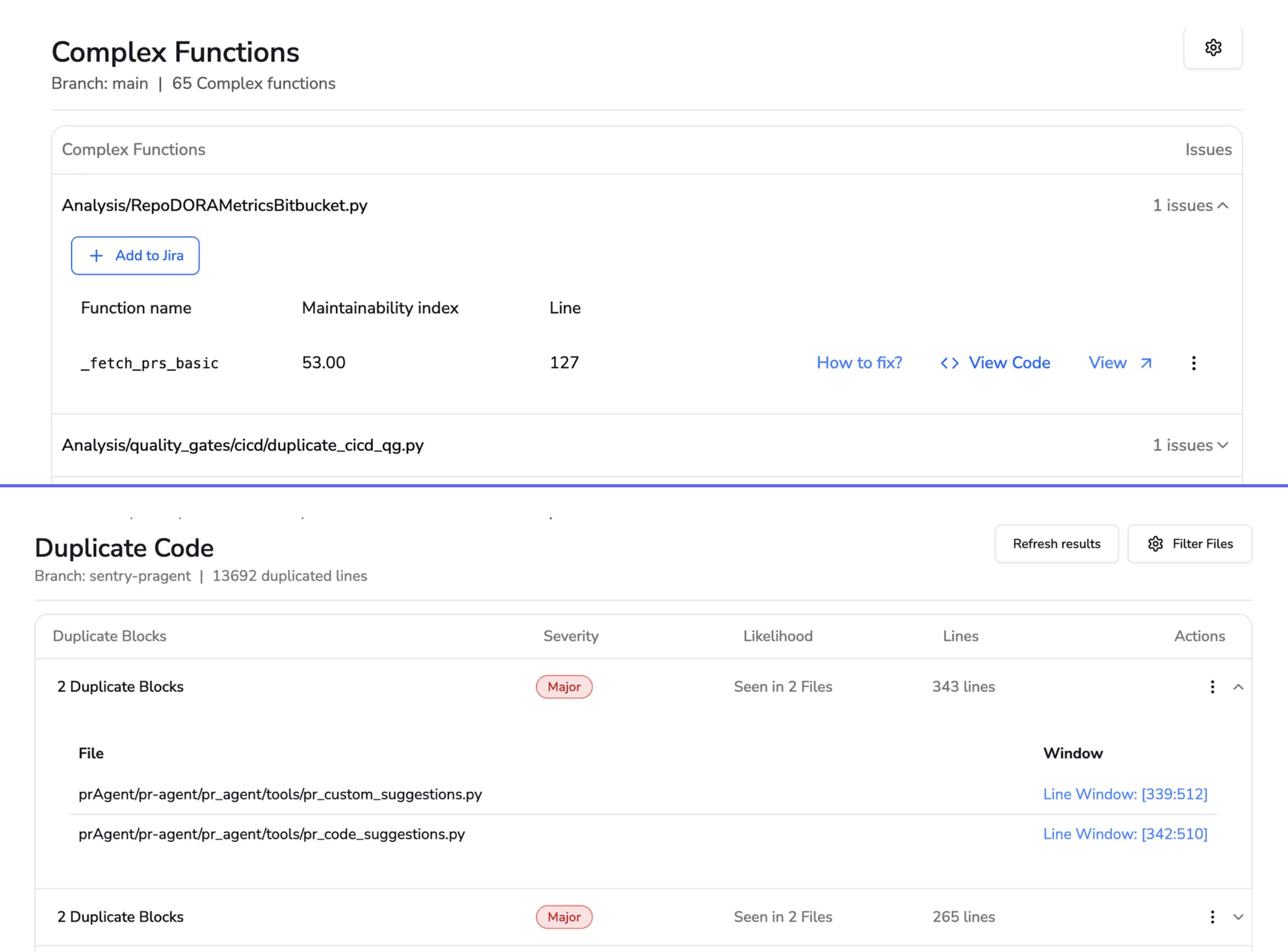
Security scanners → secrets, CVEs, insecure patterns
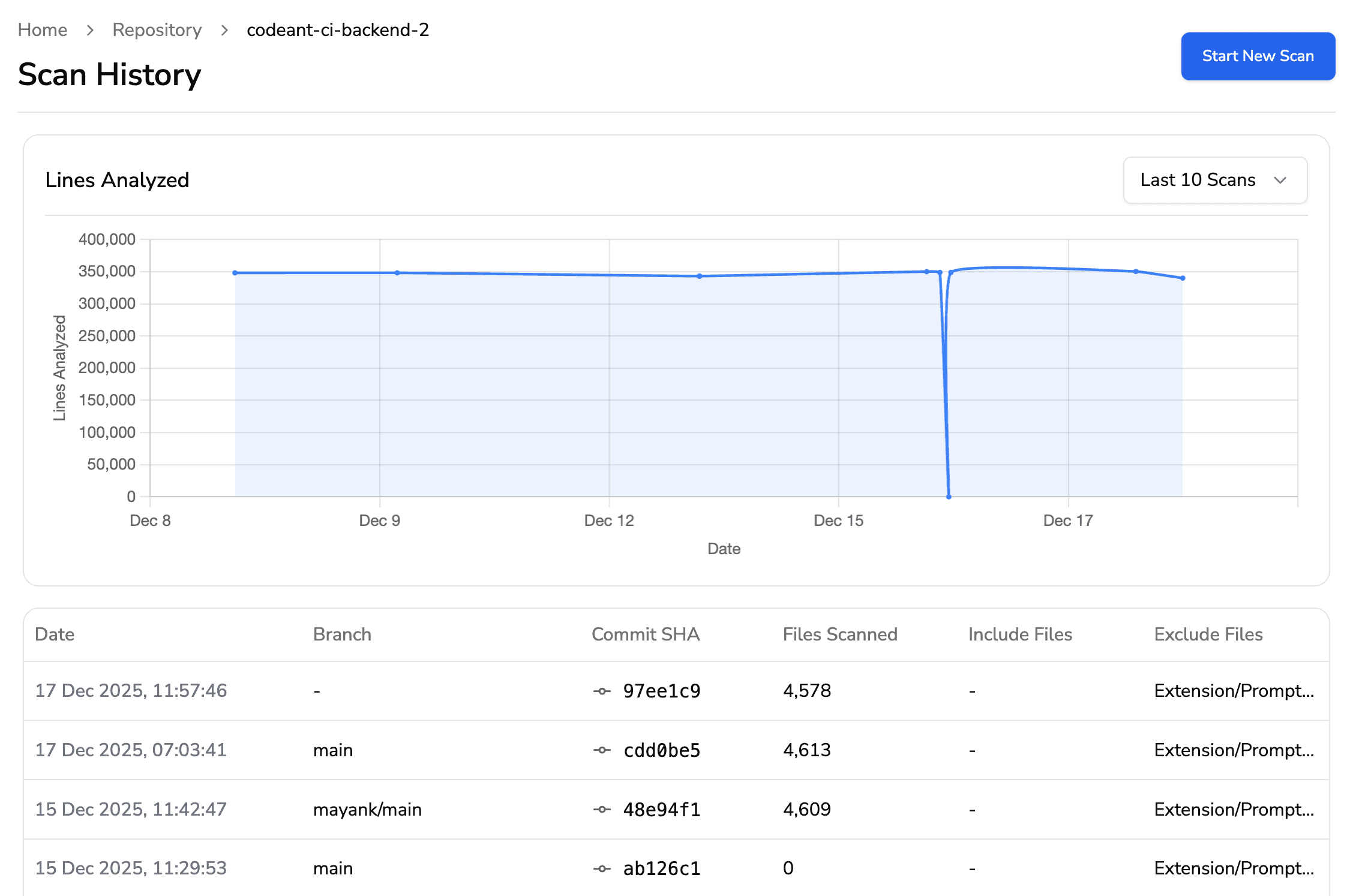
Quality dashboards → maintainability, duplication, test coverage
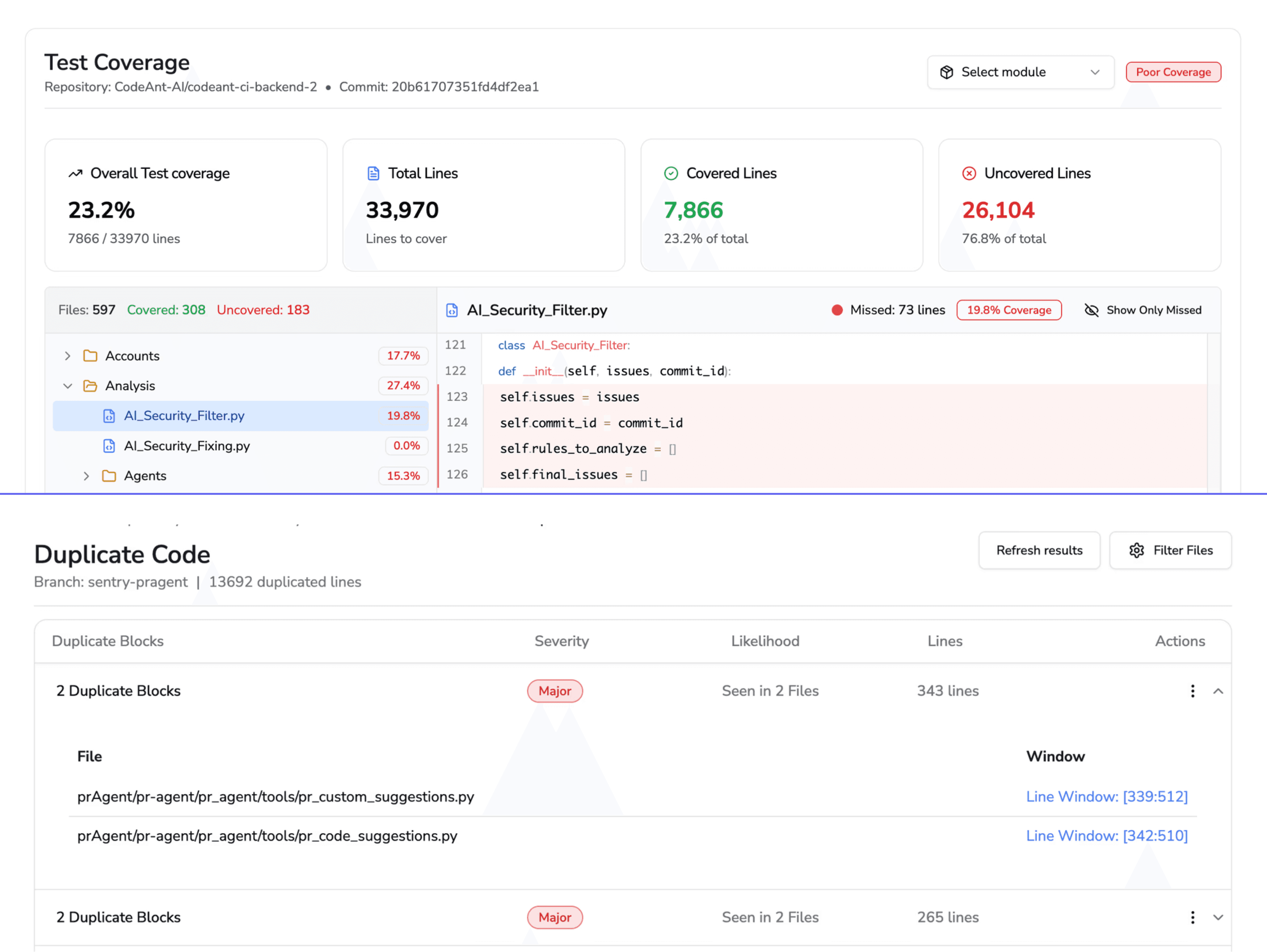
CodeAnt AI combines these in a single automated PR review layer, reducing the manual load on human reviewers significantly.
Build a Sustainable Code Review Process That Scales
Reducing reviewer fatigue isn’t about fixing one thing—it’s about reinforcing a system of practices:
keep PRs small
automate what humans shouldn’t do
rotate reviewers
timebox reviews
train authors and reviewers
monitor review health
use AI to reduce mechanical checks
Teams using tools like CodeAnt AI see faster PR turnaround, better feedback quality, and more predictable release cycles, all without increasing reviewer load.
Want to reduce reviewer fatigue and automate by 80% of repetitive review tasks? Book a 1:1 with CodeAnt AI experts today.
FAQs
How do I measure code review fatigue in engineering metrics?
What are the best ways to reduce code review fatigue without compromising quality?
Can AI code review tools actually help reduce developer burnout?
How do senior engineers avoid getting overloaded with complex PRs?
Should all pull requests go through full review?