

Code reviews are tough. They slow you down, create bottlenecks, and pile up feedback no one has time to resolve. GitHub's native pull request features handle the basics, but they hit limits fast once your team scales past a handful of developers.
That's where AI code review tools come in, analyzing PRs automatically, catching security vulnerabilities, and providing intelligent suggestions before human reviewers even open the diff. This guide covers the seven best AI code review tools that integrate directly with GitHub, comparing features, pricing, and fit for different team sizes.
Why GitHub's Native Code Review Falls Short
In 2026, the best GitHub AI code review tools go far beyond simple diff analysis. They use deep codebase context to identify architectural flaws, complex logic bugs, and security vulnerabilities before code reaches production. GitHub's built-in pull request features handle basic workflows well, but they hit limits fast once your team scales past a handful of developers.
That's why engineering teams increasingly turn to third-party AI tools that install directly from the GitHub Marketplace.
No AI-Powered Suggestions or Automation
GitHub's native review experience relies entirely on human reviewers to catch every issue. There are no intelligent suggestions, no auto-fixes, and no learning from your codebase patterns over time.
What this looks like in practice:
Manual detection: Reviewers spot bugs, style issues, and vulnerabilities themselves
No learning: GitHub doesn't adapt to your coding standards
Repetitive feedback: The same comments get written over and over across PRs
Manual Bottlenecks Slow Every Pull Request
Senior engineers often become bottlenecks when every PR requires human eyes. Context-switching costs add up quickly, and delayed merges slow your entire release cycle. Meanwhile, junior developers wait for feedback that could have been automated.
Basic Security Scanning Misses Critical Vulnerabilities
GitHub Advanced Security exists, but it's reactive rather than proactive. Security scanning isn't deeply integrated into the review flow, so vulnerabilities often surface after the PR is already approved.
Large PRs Lack Context and Clarity
GitHub shows diffs, but it doesn't summarize changes or explain intent. Reviewers waste time parsing what changed and why, especially on PRs with hundreds of lines. Without auto-generated summaries, understanding a large PR takes far longer than it could.
How AI Code Review Tools Accelerate GitHub Workflows
AI code review tools analyze pull requests automatically and provide intelligent feedback before human reviewers even look at the code. They use machine learning to understand your codebase, flag issues, and suggest fixes within seconds.
Here's what AI code review tools bring to your workflow:
Instant feedback: AI reviews every PR in seconds, not hours
Consistent standards: Automated enforcement of your team's rules
Security-first: Vulnerabilities flagged before merge
Developer focus: Engineers spend time on logic, not nitpicks
What to Look for in a GitHub AI Code Review Tool
Before diving into specific tools, it helps to know what separates good options from great ones.
Native GitHub App and Marketplace Integration
GitHub Apps install directly from the Marketplace with granular permissions and appear as first-class integrations. Webhook-based tools, on the other hand, require manual configuration and offer less native functionality. For teams building on GitHub, clean installation means faster adoption and fewer headaches.
Automated Pull Request Summaries and Fix Suggestions
Look for tools that auto-generate PR summaries explaining what changed. Inline fix suggestions that developers can accept with one click save hours of back-and-forth discussion.
Security Scanning and Vulnerability Detection
Static Application Security Testing (SAST) scans your code for vulnerabilities like SQL injection or hard-coded secrets. The best tools scan for secrets, misconfigurations, and dependency risks directly within the PR flow, not as an afterthought.
Code Quality and Maintainability Metrics
Complexity scoring, duplication detection, and technical debt tracking help you maintain long-term code health. Without visibility into code quality trends, problems compound silently until they become expensive to fix.
Enterprise Readiness and Compliance Features
For teams at scale, look for SSO, audit logs, custom rulesets, and SOC 2 compliance. Governance requirements don't disappear just because you're moving faster.
Comparison Table of the Best GitHub AI Code Review Tools
Tool | AI Review | Security Scanning | GitHub Marketplace | Best For | Pricing Model |
CodeAnt AI | Yes | Yes | Yes | Enterprise teams, unified code health | Per user |
CodeRabbit | Yes | Limited | Yes | Fast PR summaries | Per user |
GitHub Copilot | Yes | No | Native | Copilot users, inline suggestions | Per user |
Qodo | Yes | No | Yes | Test generation focus | Freemium |
DeepSource | Yes | Yes | Yes | Automated fixes | Per user |
Codacy | Limited | Yes | Yes | Quality dashboards | Per repo |
SonarQube | No | Yes | No (self-hosted) | On-prem compliance | Per instance |
CodeAnt AI
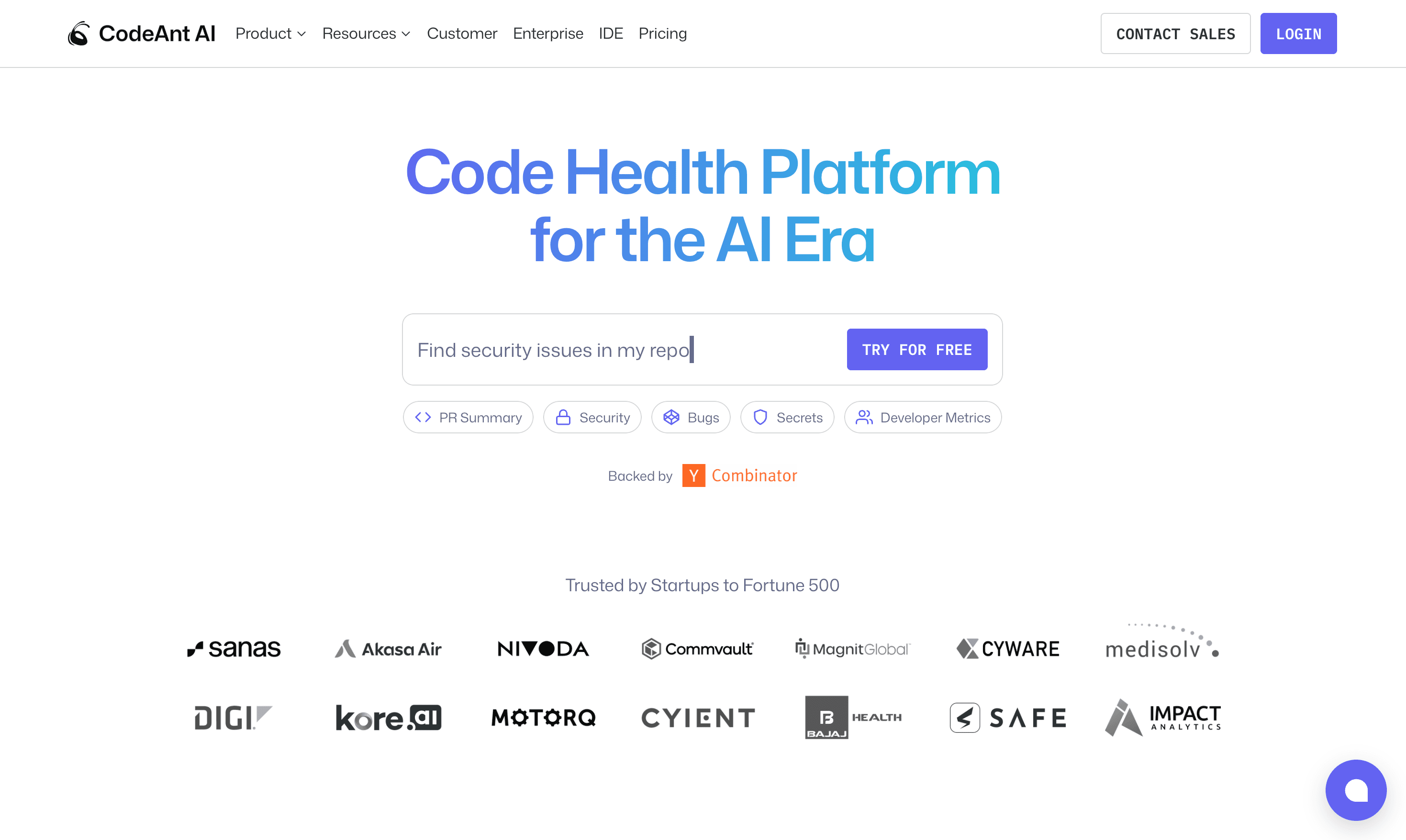
CodeAnt AI brings AI-powered code reviews, security scanning, and quality metrics into a single platform. Rather than juggling multiple point solutions, you get unified visibility across your entire codebase. It's available directly from the GitHub Marketplace.
Features:
Line-by-line AI reviews with context-aware feedback on every PR
One-click auto-fix suggestions for common issues
SAST, secrets detection, and dependency vulnerability checks
Complexity, duplication, and coverage tracking
DORA metrics for engineering velocity insights
Support for 30+ languages
Best For: Enterprise teams with 100+ developers seeking a single platform for code review, security, and quality.
CodeAnt AI scans both new code and existing code. It doesn't just review PRs; it continuously monitors every repository, branch, and commit. The platform delivers a 360° view of engineering performance, combining code quality checks with developer analytics and AI-powered contribution summaries.
Limitations: May be more than smaller teams require if they only want basic review automation.
Pricing: Per-user pricing with a 14-day free trial. No credit card required.
CodeRabbit
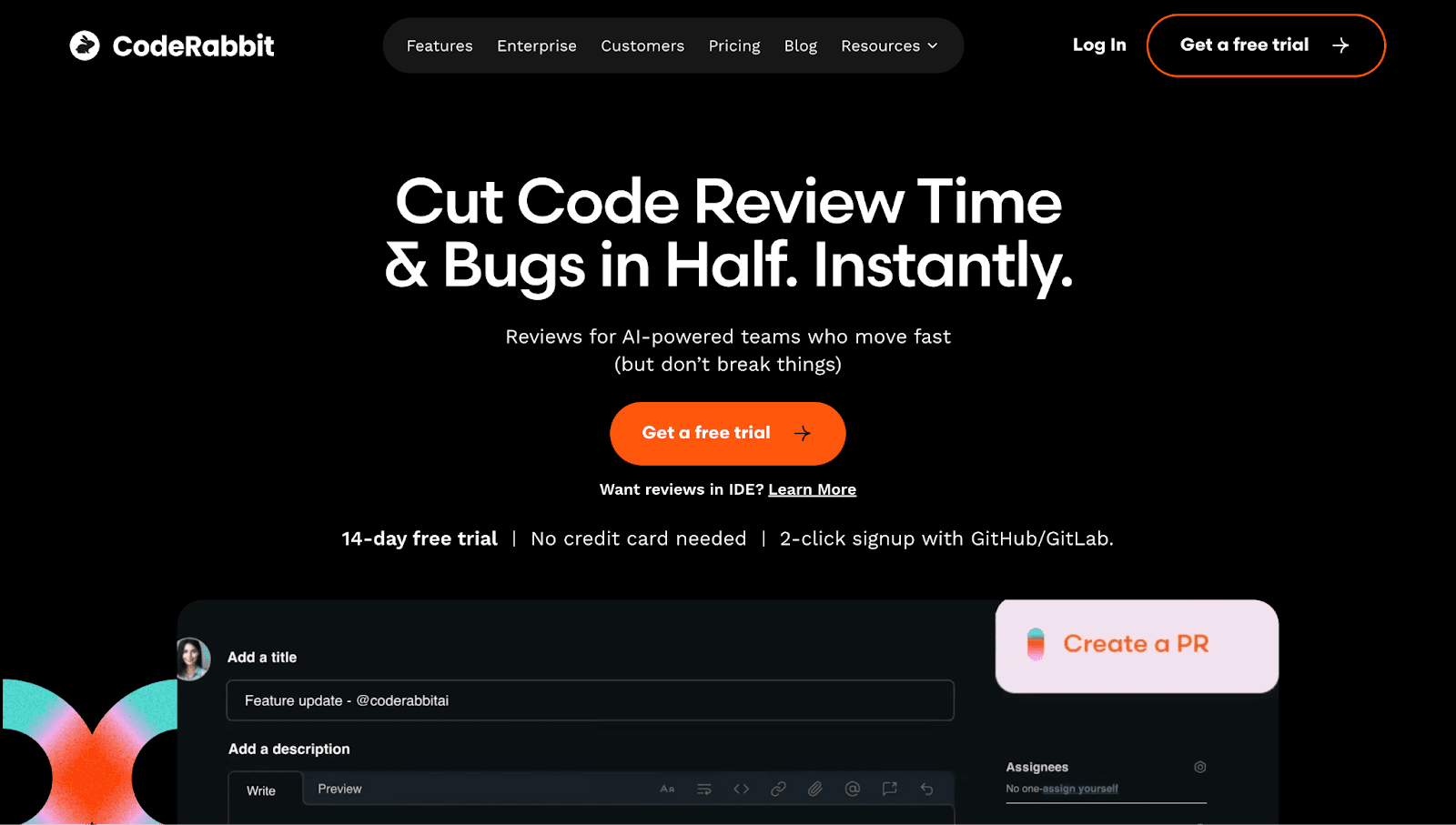
CodeRabbit focuses on speed and PR readability. It generates summaries, categorizes changes, and provides inline comments designed to help reviewers understand PRs faster.
Features:
Auto-generated PR summaries explaining what changed
Change categorization by type
Contextual inline comments in the diff
GitHub Marketplace installation
Best For: Teams prioritizing speed and PR readability over deep security or quality analysis.
Limitations: Security scanning is limited compared to full SAST tools. Less focus on long-term code health metrics.
Pricing: Free tier available. Paid plans per user.
Checkout this CodeRabbit alternative.
GitHub Copilot Code Review
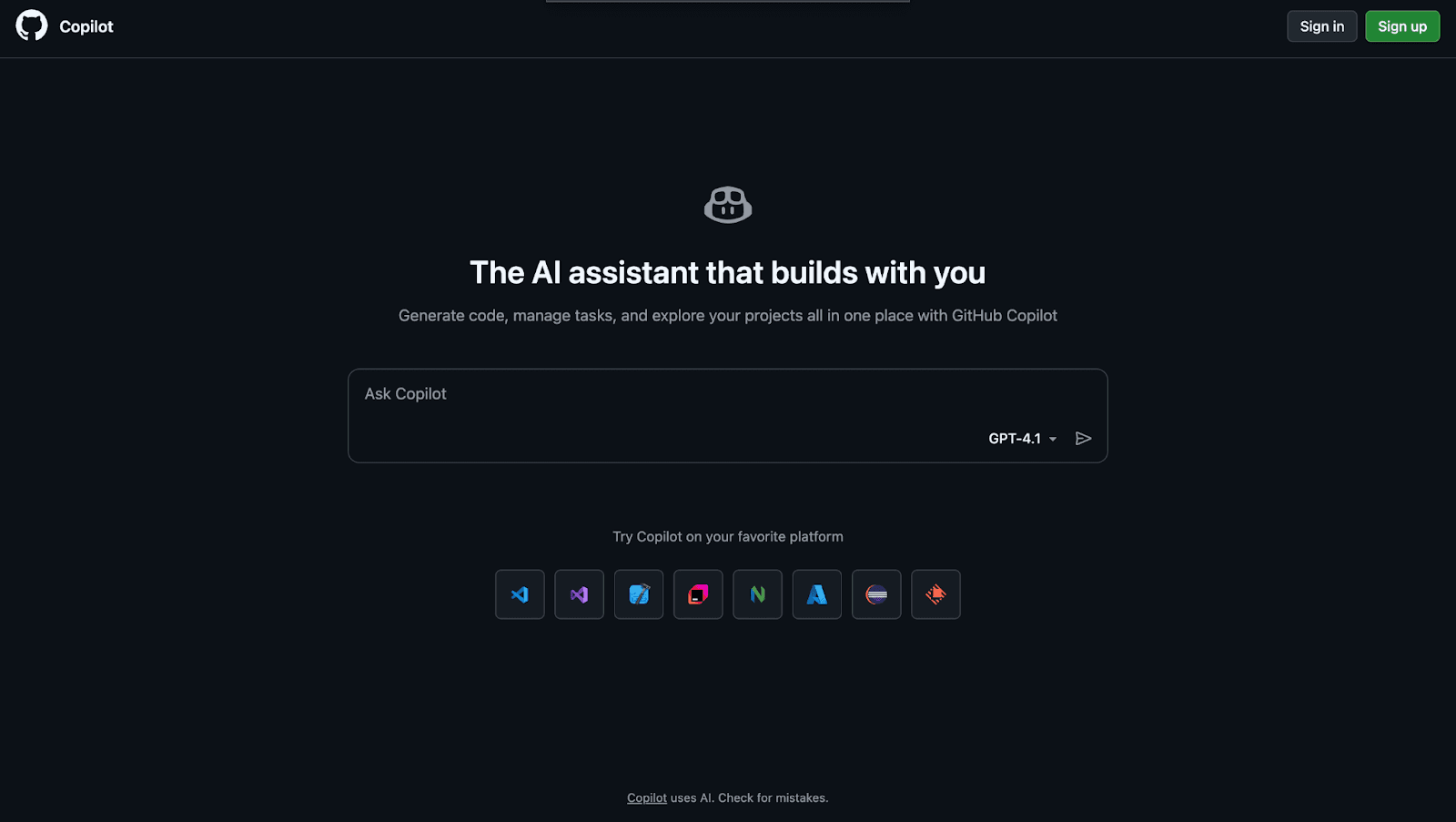
GitHub Copilot Code Review is the native option for teams already using Copilot. It's integrated into the GitHub experience, though limited in scope compared to specialized tools.
Features:
Native GitHub integration with no additional install for Copilot users
AI-powered inline suggestions in the PR view
Context-aware recommendations based on your codebase
Best For: Teams already invested in GitHub Copilot who want review assistance without adding another tool.
Limitations: No security scanning. No quality metrics or compliance features. Copilot's review comments don't count as required approvals in branch protection settings.
Pricing: Included with GitHub Copilot subscription.
Checkout this GitHub Copilot alternative.
Qodo
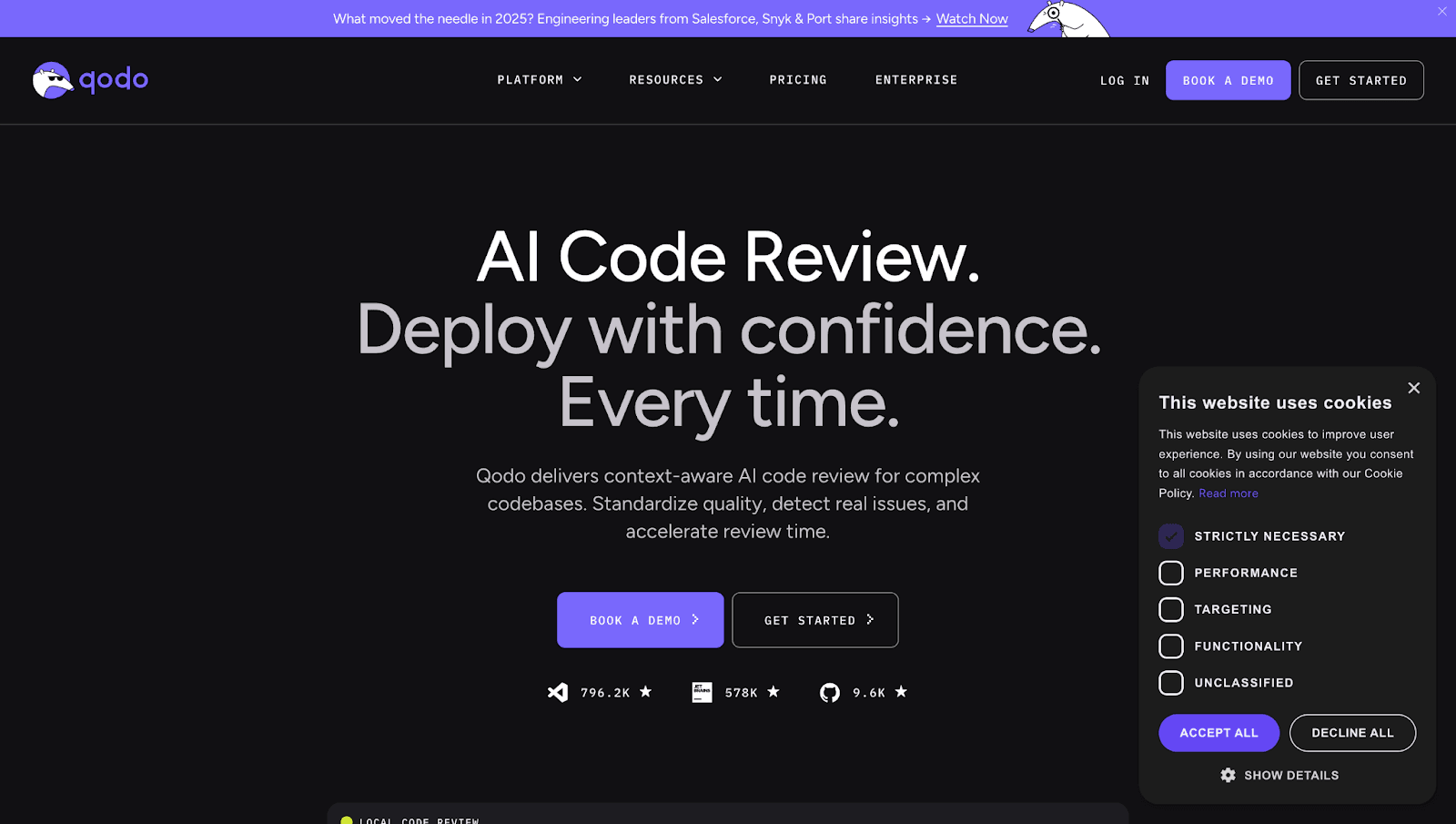
Qodo (formerly CodiumAI) combines PR review automation with test generation. It's particularly useful for teams wanting to improve test coverage alongside code review.
Features:
AI-driven feedback on code changes
Suggested unit tests for new code
GitHub App integration
IDE plugins for VS Code and JetBrains
Best For: Teams focused on code integrity and automated testing.
Limitations: Security scanning isn't a primary focus. Test generation quality varies by language.
Pricing: Freemium model with paid tiers for teams.
Checkout this Qodo Alternative.
DeepSource
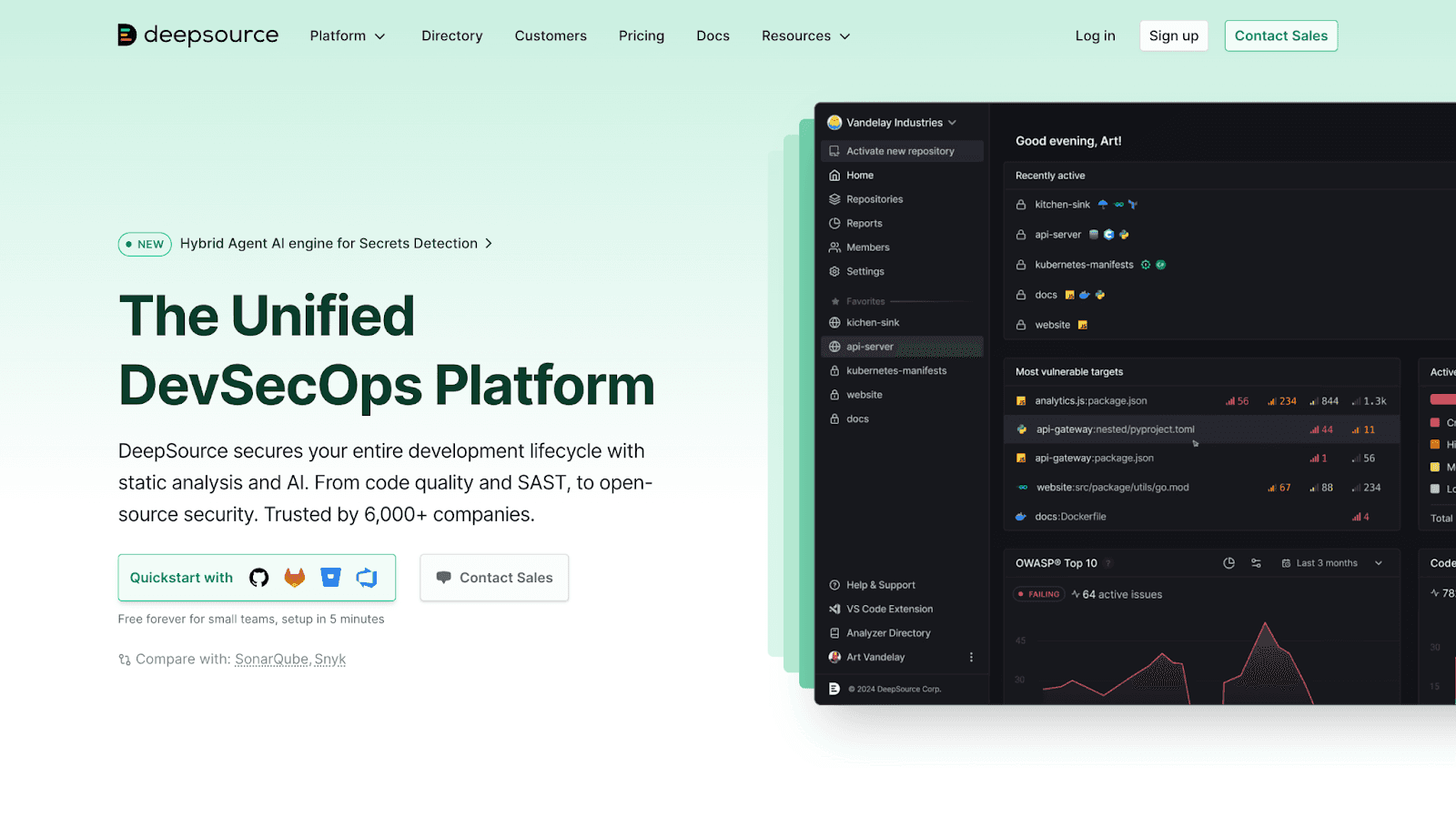
DeepSource stands out for its Autofix feature. It doesn't just find bugs; it generates patches you can apply automatically. DeepSource is now part of the Snyk ecosystem.
Features:
Automatic resolution of detected issues
Vulnerability detection in code
Multi-language support
GitHub Marketplace availability
Best For: Teams wanting automated remediation, not just detection.
Limitations: Less comprehensive than full SAST platforms for enterprise security requirements.
Pricing: Free for open source. Paid plans for private repos.
Checkout this Deepsource Alternative.
Codacy
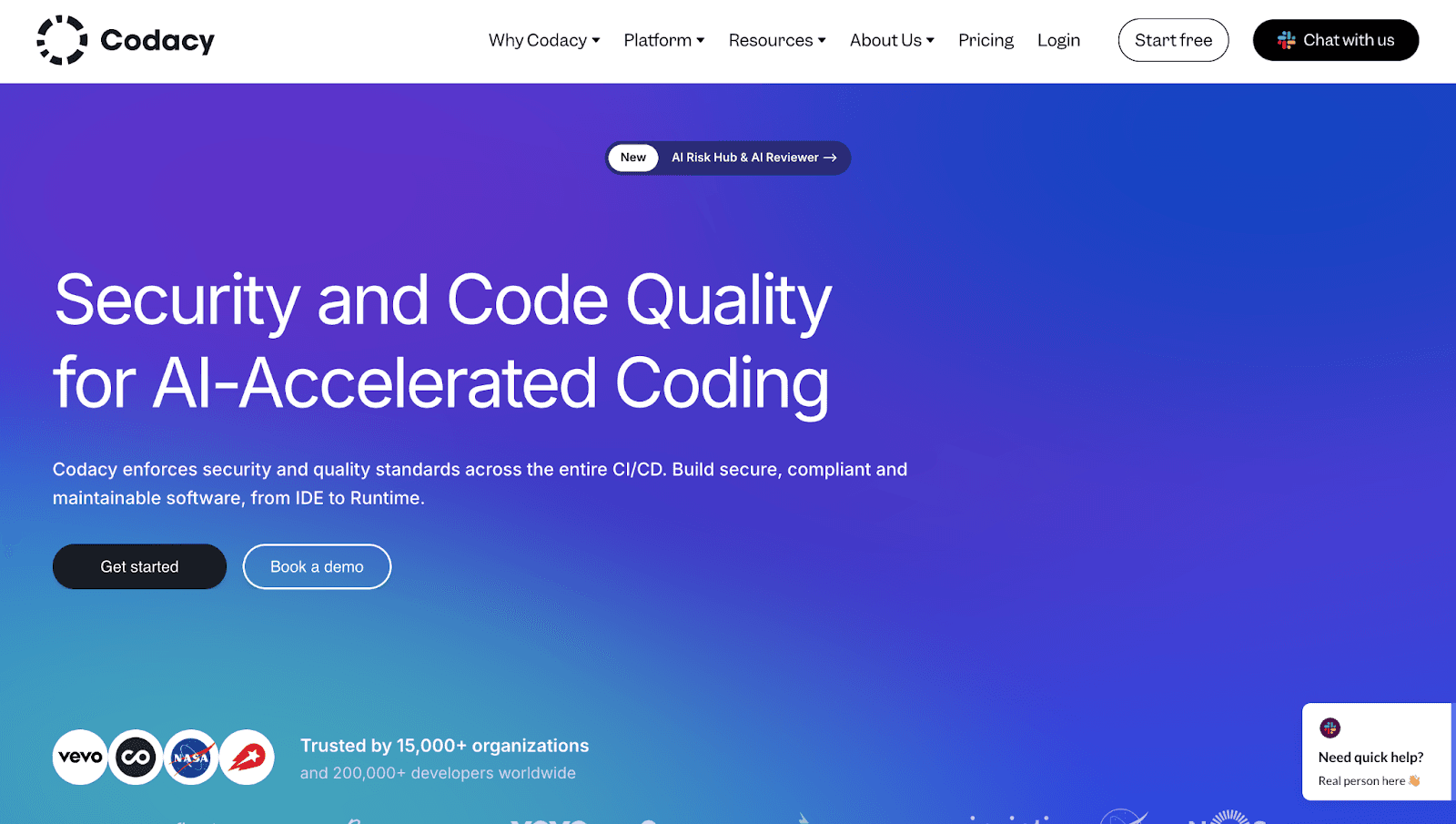
Codacy provides quality dashboards and tracking. It's strong on visibility, though lighter on AI-driven review suggestions compared to newer tools.
Features:
Quality dashboards tracking code health over time
Security scanning for vulnerabilities
PR status checks and comments
Custom standards per project
Best For: Teams focused on quality visibility and tracking rather than AI-powered suggestions.
Limitations: AI review capabilities are less advanced than dedicated AI-native tools.
Pricing: Per-repository pricing. Free tier for open source.
Checkout this Codacy Alternative.
SonarQube
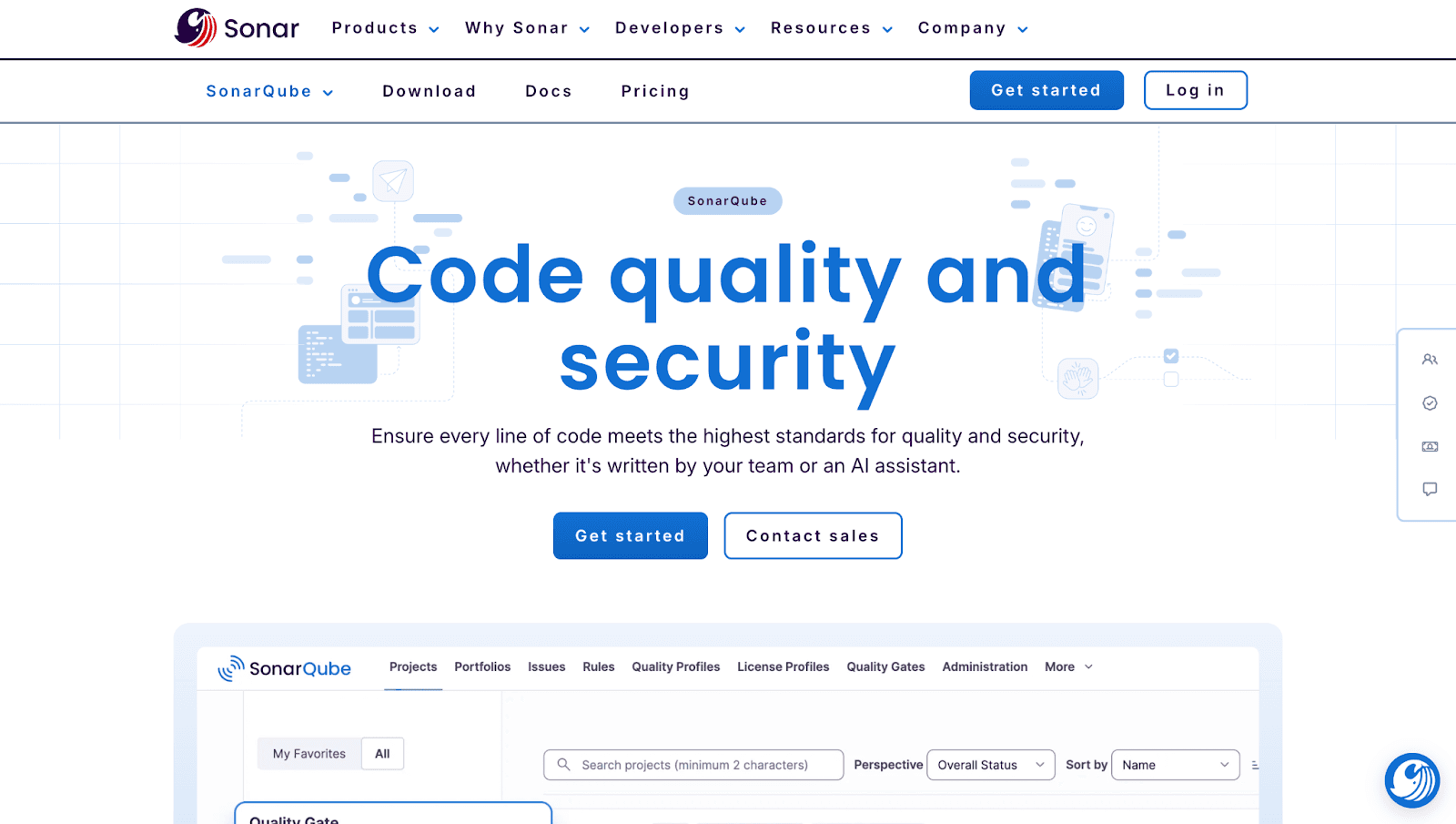
SonarQube is the established enterprise option for static analysis. It's self-hosted and compliance-focused, but not AI-native.
Features:
Comprehensive static analysis rule sets
Quality gates that block merges failing standards
On-prem deployment with full data control
SOC 2 and HIPAA compliance reporting
Best For: Regulated industries requiring on-prem deployment with audit trails.
Limitations: Not available on GitHub Marketplace. Requires self-hosting. No AI-powered suggestions. Setup and maintenance overhead.
Pricing: Community edition free. Enterprise pricing per instance.
Checkout this SonarQube Alternative.
Which GitHub AI Code Review Tool Fits Your Team
For Enterprise Teams with 100+ Developers
Unified platforms like CodeAnt AI combine review, security, and quality in one place. You avoid the cost of juggling multiple point solutions while maintaining governance and compliance across large codebases.
For Security-Focused Organizations
Tools with strong SAST capabilities, like CodeAnt AI and DeepSource, provide automated security scanning. SonarQube works well for on-prem compliance requirements in regulated industries.
For Fast-Moving Startups and Small Teams
Lighter tools like CodeRabbit or Qodo offer quick setup and immediate value. Keep in mind that smaller teams often outgrow basic tools as they scale, so consider future requirements when choosing.
Ship Cleaner Code with the Right GitHub Integration
The right AI code review tool depends on your team's priorities: security, quality, or unified code health. GitHub's native features provide a foundation, but specialized tools close the gaps that appear as you scale.
To unify code review, security, and quality, we highly recommend booking your 1:1 with our experts today.

