AI Code Review
10 Best Code Review Tools in San Francisco for 2026

Sonali Sood

Founding GTM, CodeAnt AI
San Francisco engineering teams ship some of the most demanding codebases in the industry, and the tools they choose for code review reflect that pressure. Whether you're at a seed-stage startup in SoMa or an enterprise in the Financial District, the right code review tool can mean the difference between merging with confidence and shipping bugs to production.
This guide breaks down the ten best code review tools available to cutting edge teams in 2026, covering AI-native platforms, security-focused scanners, and established static analyzers—along with how to choose between them based on your team's size, workflow, and priorities.
How to Choose the Best AI Code Review Tool
Picking the right tool involves more than comparing feature lists. You'll want to think about how well each option fits your existing workflow and whether it scales as your team grows.
Full codebase context and AI understanding
The most effective AI code review tools understand your entire codebase, not just the files in a single PR. This context awareness means the AI can catch issues like duplicate implementations across different modules or suggest existing utility functions instead of writing new code.
Tools that review files in isolation often miss these connections. When evaluating options, it's worth asking whether the AI learns from your codebase patterns or simply applies generic rules to whatever you put in front of it.
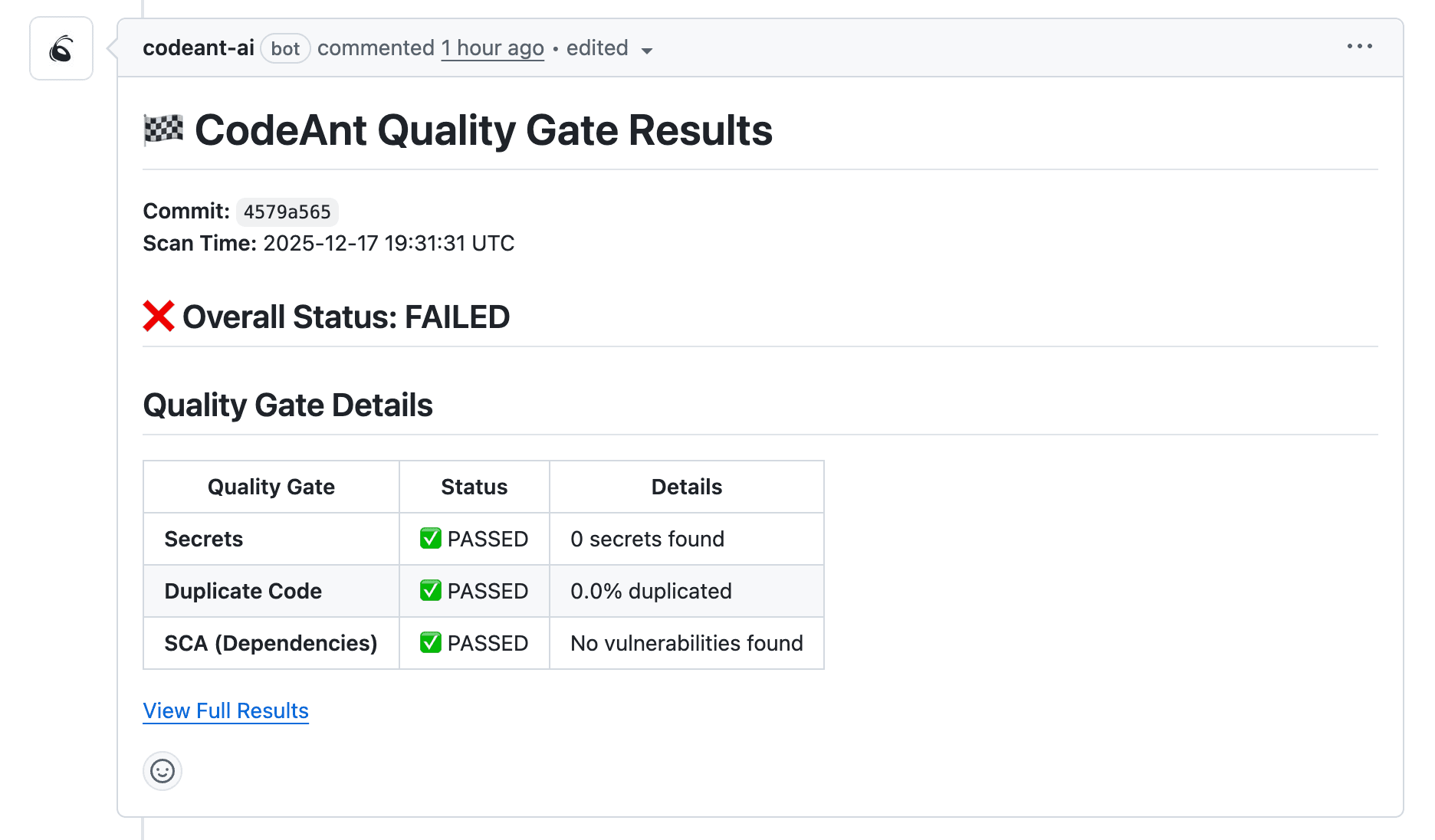
GitHub, GitLab, and Bitbucket integrations
Native integration with your version control platform matters more than you might expect. The best tools comment directly on PRs, update status checks, and work within your existing workflow without forcing you to switch contexts.
Some tools support multiple platforms while others focus exclusively on GitHub. If your team uses GitLab or Bitbucket, verify that the integration quality matches what GitHub users experience—sometimes it doesn't.
Security scanning and auto code review
Modern code review increasingly combines quality feedback with security scanning. Rather than running separate tools for vulnerabilities and code style, unified platforms catch SQL injection risks alongside naming convention violations in the same pass.
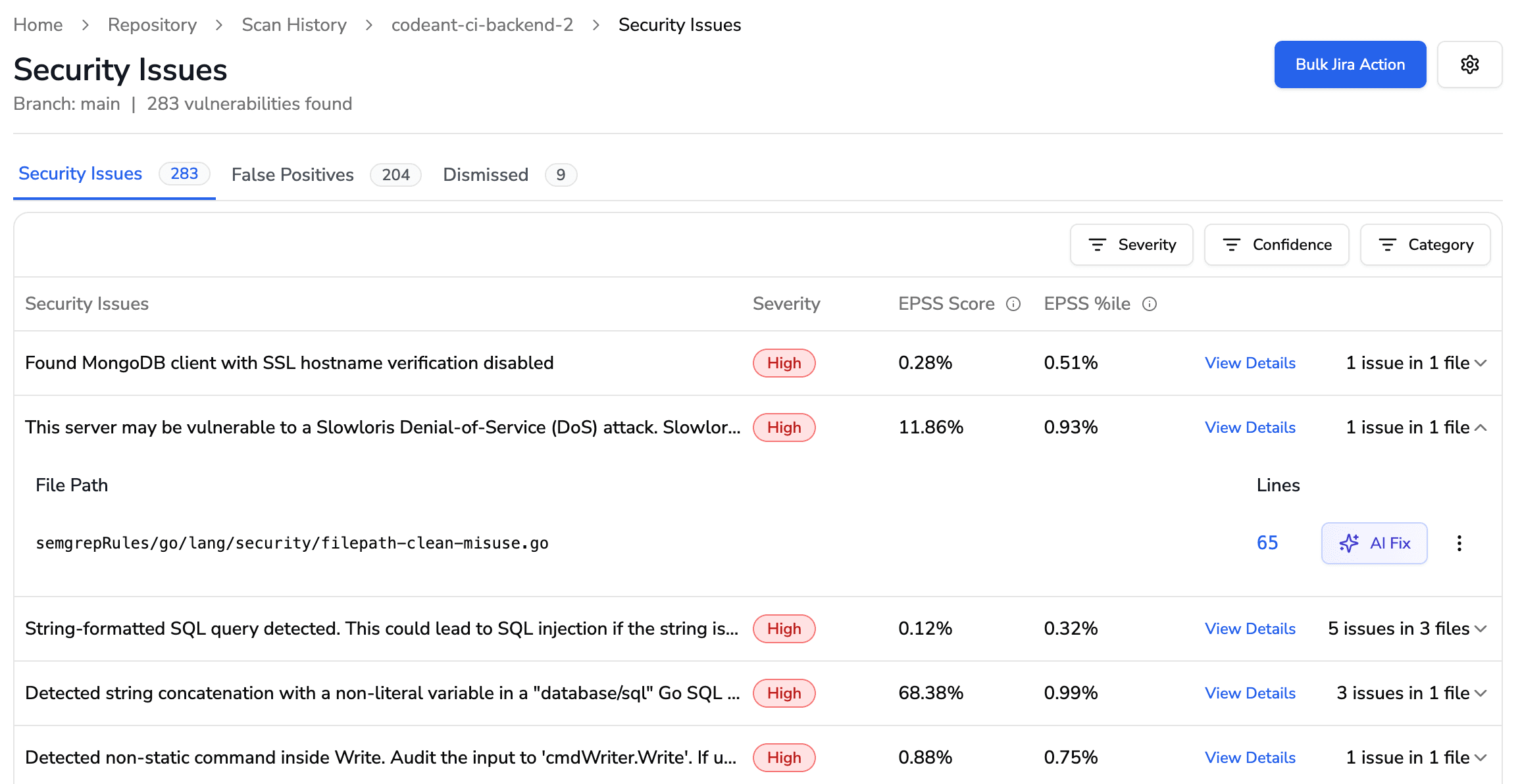
This consolidation reduces the number of tools your team manages and ensures security checks happen on every PR, not just during periodic scans.
Customizable coding standards
Every team has conventions that generic rules don't capture. The ability to define organization-specific standards—whether through configuration files or plain English descriptions—separates flexible tools from rigid ones.
Look for platforms that let you enforce your team's patterns without writing complex rule definitions from scratch.
Pricing and team scalability
Pricing models vary significantly across tools. Some charge per seat, others by repository count, and a few offer unlimited usage at flat rates. Free tiers often work well for small teams or open-source projects, though enterprise features typically require paid plans.
Consider how pricing scales as your team grows. A tool that's affordable for five developers might become expensive at fifty.
10 Best Code Review Tools
San Francisco engineering teams have access to a wide range of code review tools, from established static analyzers to AI-native platforms. Here's how the leading options compare across the features that matter most.
Tool | AI Code Review | Security Scanning | Self-Hosted Option | Free Tier |
CodeAnt AI | ✓ | ✓ | ✓ | ✓ |
GitHub Copilot | ✓ | Limited | ✗ | ✗ |
CodeRabbit | ✓ | Limited | ✗ | ✓ |
Graphite | ✓ | ✗ | ✗ | ✓ |
Greptile | ✓ | ✗ | ✗ | ✓ |
SonarQube | Limited | ✓ | ✓ | ✓ |
Snyk Code | Limited | ✓ | ✗ | ✓ |
DeepSource | ✓ | ✓ | ✗ | ✓ |
Codacy | Limited | ✓ | ✗ | ✓ |
Code Climate | ✗ | Limited | ✗ | ✓ |
CodeAnt AI
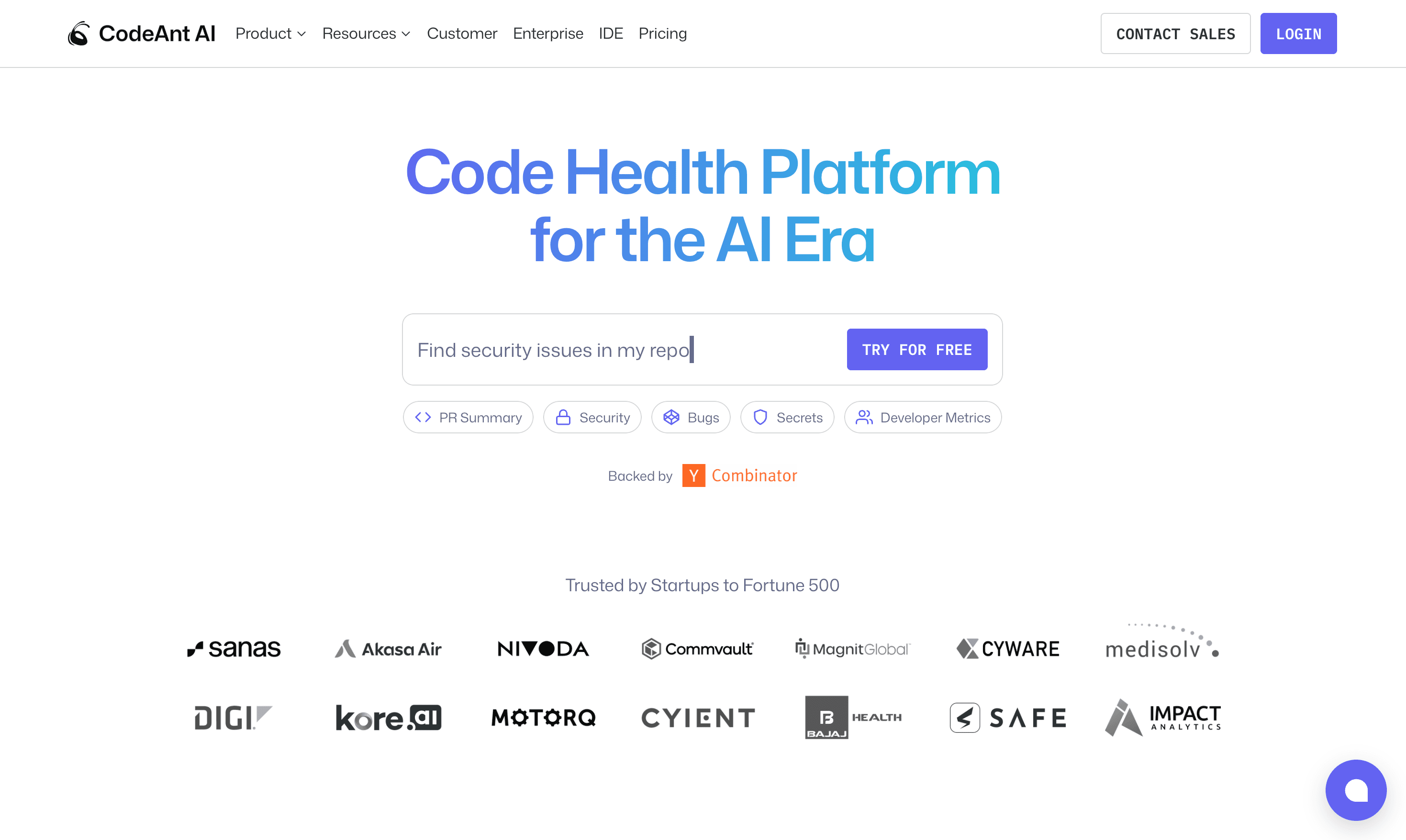
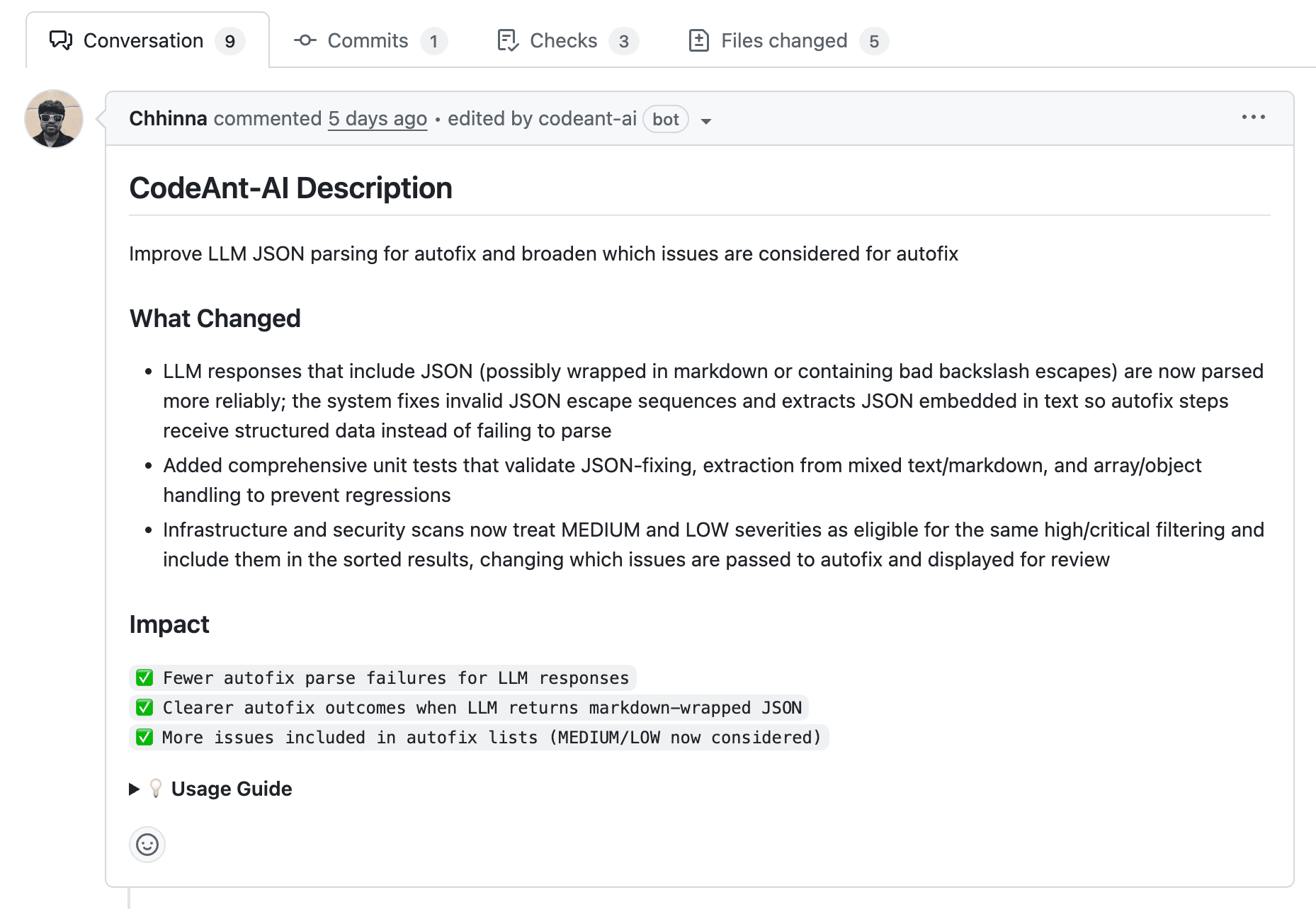
CodeAnt AI takes a unified approach to code health, combining AI code review, security scanning, and quality metrics in a single platform. Rather than juggling multiple point solutions, teams get PR summaries, vulnerability detection, and maintainability tracking from one dashboard.
The platform works with GitHub, GitLab, and Bitbucket, providing consistent experiences across version control systems. For teams that want self-hosted deployment, CodeAnt AI offers that option along with SOC 2 compliance for enterprise security requirements.
Start a free 14-day trial of CodeAnt AI to see unified code health in action.
GitHub Copilot for pull requests
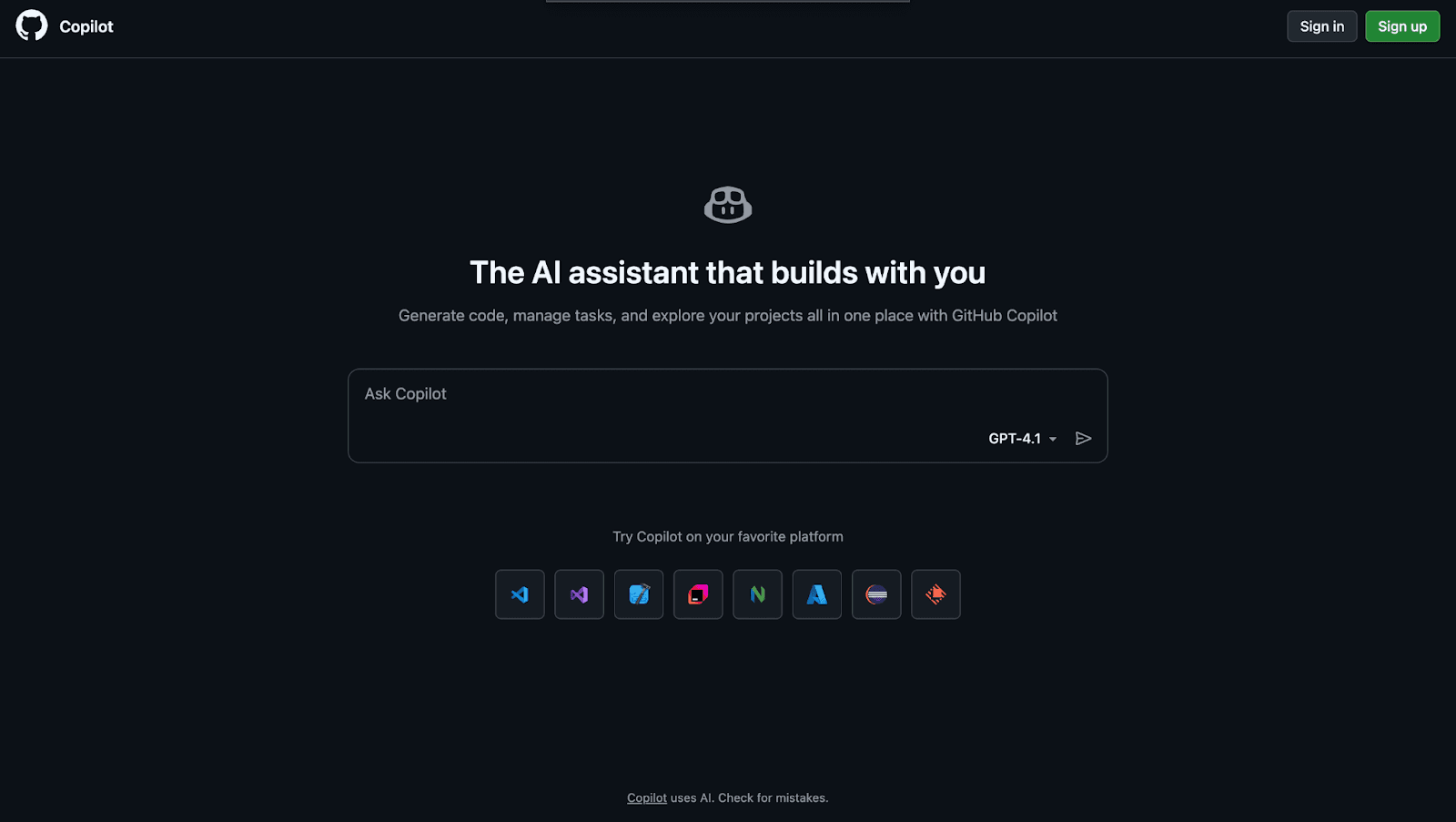
GitHub's native AI reviewer integrates directly into the PR workflow for teams already committed to the GitHub ecosystem. The tool provides code suggestions and review comments powered by the same models behind Copilot's code completion features.
The tight integration means zero setup for GitHub users, though teams on other platforms won't benefit. Security scanning requires GitHub Advanced Security, which is sold separately.
Checkout this GitHub Copilot alternative.
CodeRabbit
CodeRabbit has gained popularity for its detailed PR summaries and conversational review style. The AI generates walkthrough comments explaining what changed and why it matters, which helps reviewers understand PRs faster.
The tool offers a generous free tier for open-source projects. Paid plans unlock private repository support and additional customization options.
Checkout this CodeRabbit alternative.
Graphite

Graphite focuses on workflow efficiency rather than AI review depth. The platform excels at managing stacked PRs—a workflow where developers break large changes into smaller, dependent pull requests that are easier to review.
For teams that struggle with PR size and review bottlenecks, Graphite's approach can dramatically reduce cycle times. The AI features complement the workflow tools rather than serving as the primary value.
Checkout these Graphite alternatives
Greptile
Greptile differentiates itself through deep codebase learning. The AI indexes your entire repository and learns from how human reviewers comment, gradually improving its suggestions based on your team's patterns over time.
This learning approach means Greptile gets more valuable the longer you use it, though it requires patience during the initial training period.
SonarQube
SonarQube remains the established choice for teams prioritizing broad language support and self-hosted deployment. The platform covers over 30 programming languages with consistent rule sets across all of them.
While SonarQube's AI capabilities lag behind newer tools, its static analysis depth and enterprise features make it a reliable foundation. Many teams run SonarQube alongside AI-native tools to get the best of both approaches.
Checkout this SonarQube Alternative.
Snyk Code
Snyk approaches code review from a security-first perspective. The platform excels at finding vulnerabilities in your code and dependencies, with particularly strong coverage of open-source package risks.
For teams where security scanning is the primary concern, Snyk's focused approach often outperforms general-purpose tools. The code review features complement the security core rather than replacing dedicated review tools.
Checkout these Top 13 Snyk Alternatives.
DeepSource
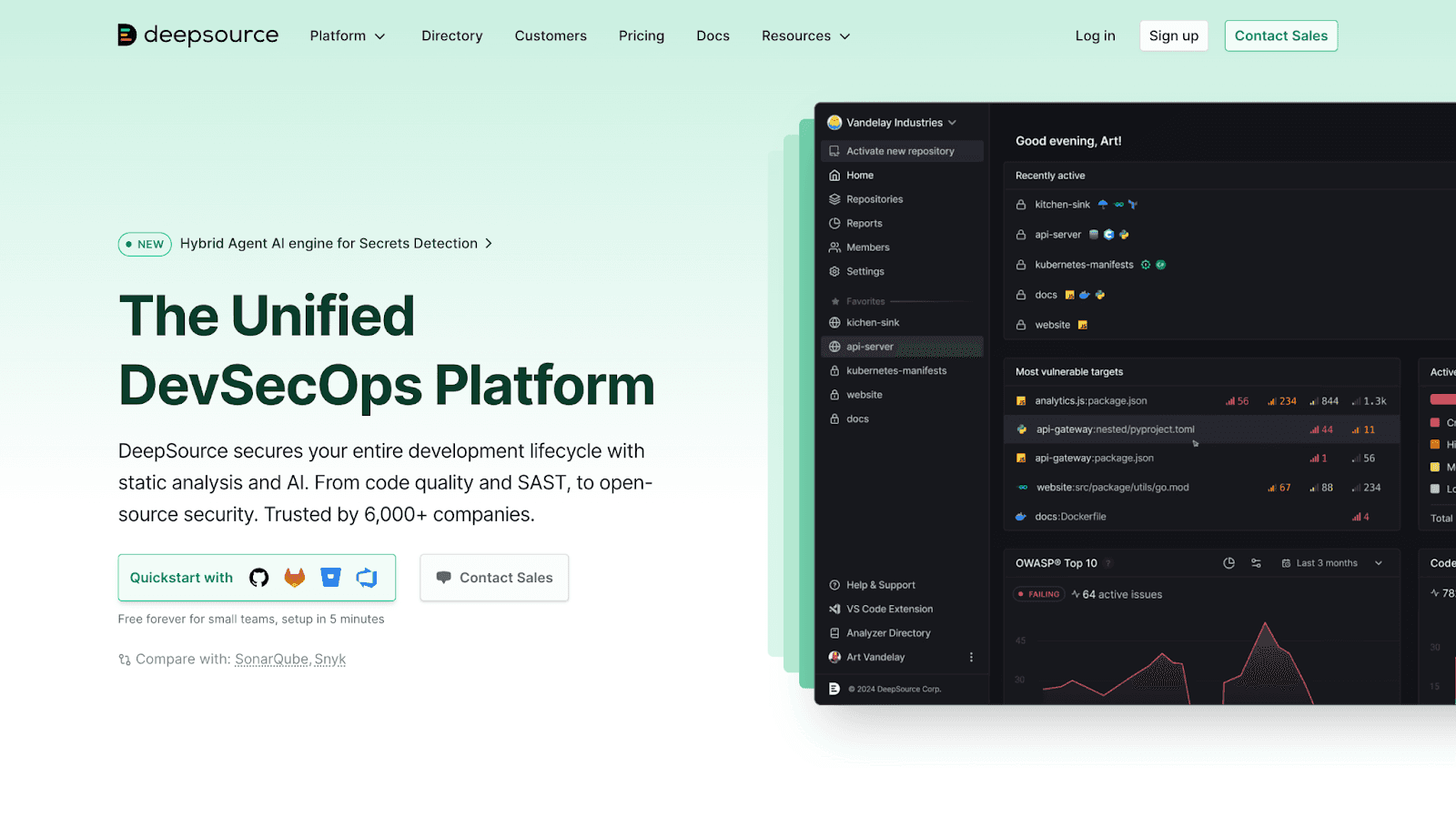
DeepSource combines auto code review with automatic fix suggestions. When the AI identifies an issue, it often proposes a specific code change rather than just flagging the problem and leaving you to figure out the solution.
The platform tracks code health metrics over time, helping teams measure improvement. Free tier limitations make it best suited for smaller teams or evaluation purposes.
Checkout this Deepsource Alternative.
Codacy
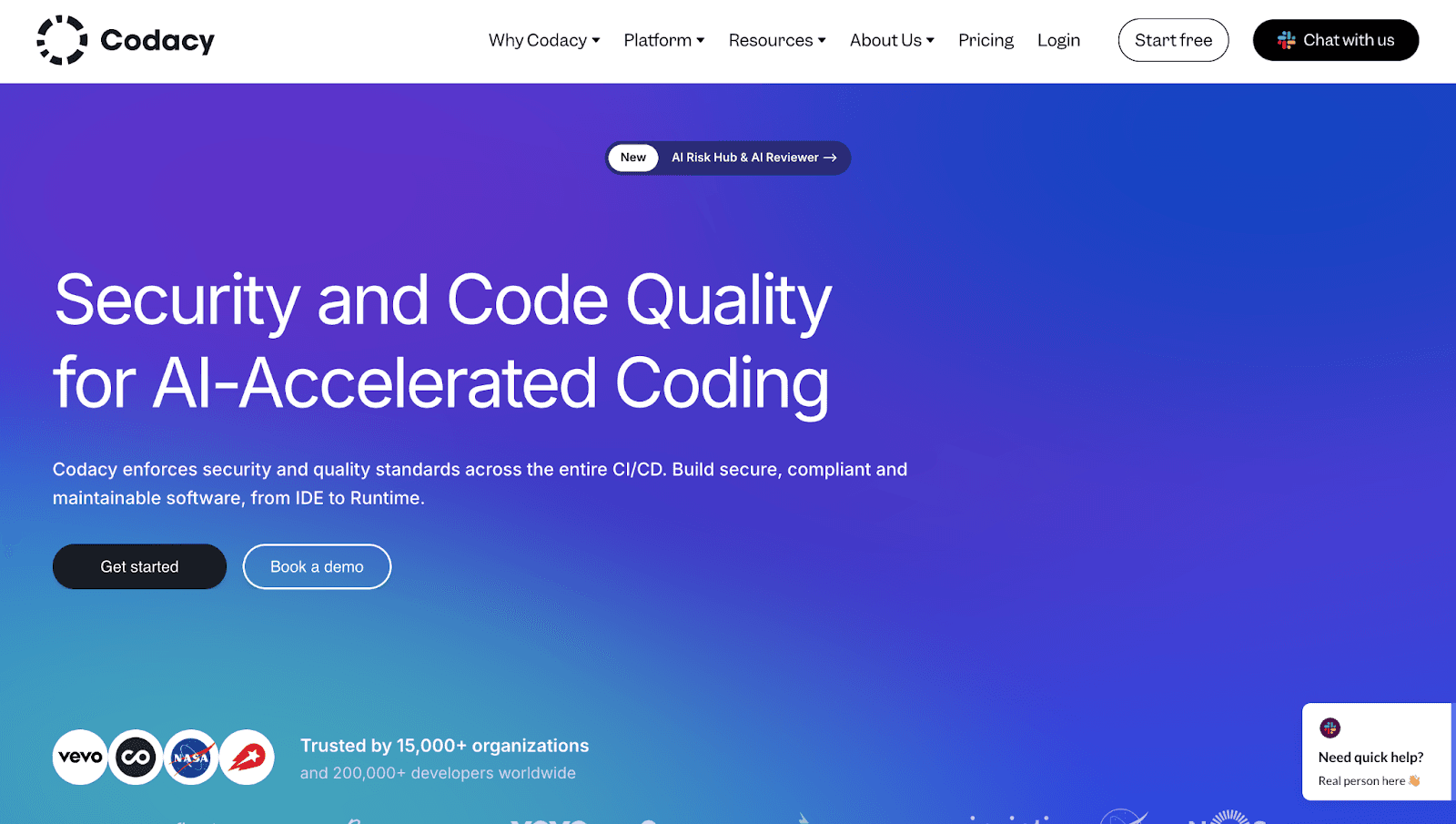
Codacy provides automated code quality checks with strong coverage tracking integration. The dashboard gives engineering leaders visibility into quality trends across repositories without requiring deep technical investigation.
The tool works well for teams that want quality gates without deep AI review capabilities. Pricing scales reasonably for mid-sized organizations.
Checkout this Codacy Alternative.
Code Climate
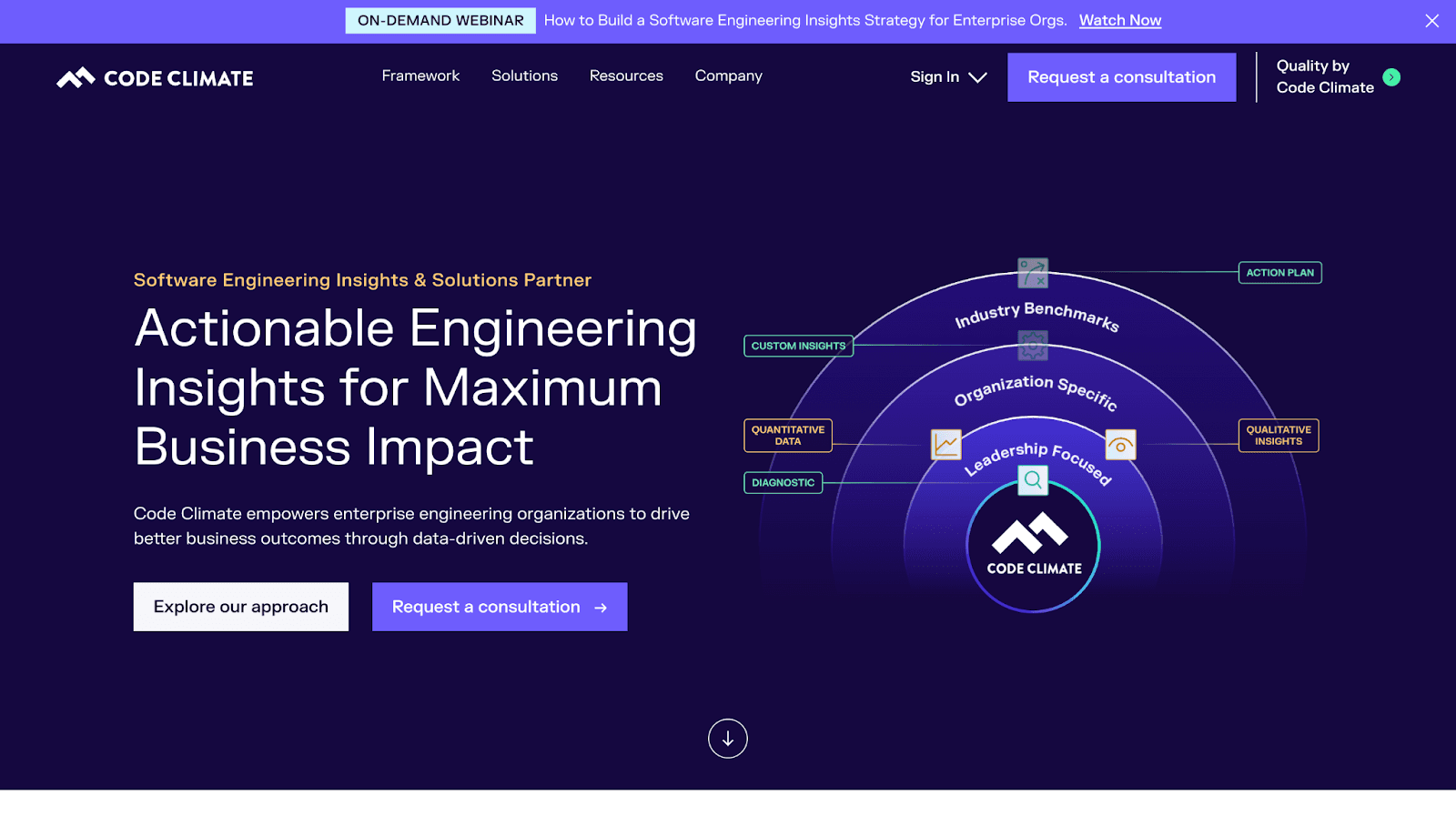
Code Climate pioneered maintainability scoring and technical debt tracking. The platform assigns letter grades to codebases and tracks how scores change over time, giving teams a simple way to communicate code health.
While Code Climate lacks the AI review features of newer tools, its metrics and reporting remain valuable for teams focused on long-term code health measurement.
Best AI Code Review Tools for Startups
Early-stage teams face unique constraints that shape tool selection. Speed and affordability typically matter more than enterprise features, and there's rarely time for extensive configuration.
Fast setup with minimal configuration
Startups rarely have time for extensive tool configuration. The best options for small teams work immediately after connecting a repository, with sensible defaults that don't require tuning before you see value.
Free tiers and affordable plans
Several tools offer genuinely useful free tiers. CodeAnt AI, CodeRabbit, and DeepSource all provide free options for small teams, though limitations vary—some restrict repository counts while others limit monthly PR volume.
PR summaries and AI code reviewer features
For teams without dedicated reviewers, AI-generated PR summaries help everyone understand changes quickly. This feature alone can justify adopting an AI code review tool, even before considering the actual review suggestions it provides.
Best Code Review Tools for Enterprise Teams
Enterprise requirements extend beyond features into compliance, deployment flexibility, and governance. The evaluation process looks quite different from what startups go through.
Self-hosted deployment options
Many enterprises require tools to run within their infrastructure, whether on-premise or in private cloud environments. CodeAnt AI and SonarQube both offer self-hosted options, while most AI-native tools operate as SaaS only.
SOC 2 compliance and data privacy
Security-conscious organizations look for tools with proper compliance certifications. SOC 2 Type II certification indicates that a vendor has demonstrated security controls over time, not just at a single audit point.
It's worth asking vendors specifically about data retention policies and whether code is stored or processed transiently.
Governance and audit capabilities
Enterprise teams often require audit trails showing who reviewed what and when. Role-based access control, approval requirements, and policy enforcement features become essential at scale.
Security Features in AI Code Review Tools
Modern code review increasingly incorporates security scanning as a standard capability rather than a separate tool you run on the side.
Vulnerability detection: Identifies common security flaws like SQL injection, cross-site scripting, and insecure deserialization
Secrets scanning: Catches API keys, passwords, and credentials accidentally committed to repositories
Dependency risks: Flags known CVEs in open-source packages your code depends on
The integration of security into code review means vulnerabilities get caught during development rather than in periodic security audits weeks later.
How AI Code Review Compares to Manual Review
AI code review augments human reviewers rather than replacing them. The division of labor typically looks like this:
Aspect | AI Review | Human Review |
Speed | Minutes | Hours to days |
Consistency | Identical every time | Varies by reviewer |
Context understanding | Repository-wide patterns | Business logic and intent |
Cost | Fixed subscription | Engineering time |
AI handles the repetitive checks—style consistency, common bug patterns, security basics—while humans focus on architecture decisions, business logic correctness, and mentoring junior developers. The best outcomes come from treating AI as a first-pass reviewer that handles routine feedback, freeing human reviewers to focus on what matters most.
How a Unified Code Health Platform Helps You Ship Faster
Juggling separate tools for code review, security scanning, and quality metrics creates friction. Engineers context-switch between dashboards, and issues slip through the gaps between tools that don't talk to each other.
A unified platform brings these capabilities together, providing a single view of code health across the development lifecycle. When your AI reviewer, security scanner, and quality tracker share context, they catch issues that siloed tools miss.
Start your free 14-day trial of CodeAnt AI to experience unified code health—no credit card required.
FAQs
Can ChatGPT do a code review?
Which AI is best for analyzing code?
Is CodeRabbit free?
What are the best free AI code review tools?
Do AI code review tools work with private repositories?